


A Lumps and Bumps Assessment is a clinical evaluation of skin or soft-tissue swellings.
Mediwell Clinic
Lumps & Bumps Clinic
Common Symptoms / When It May Be Needed
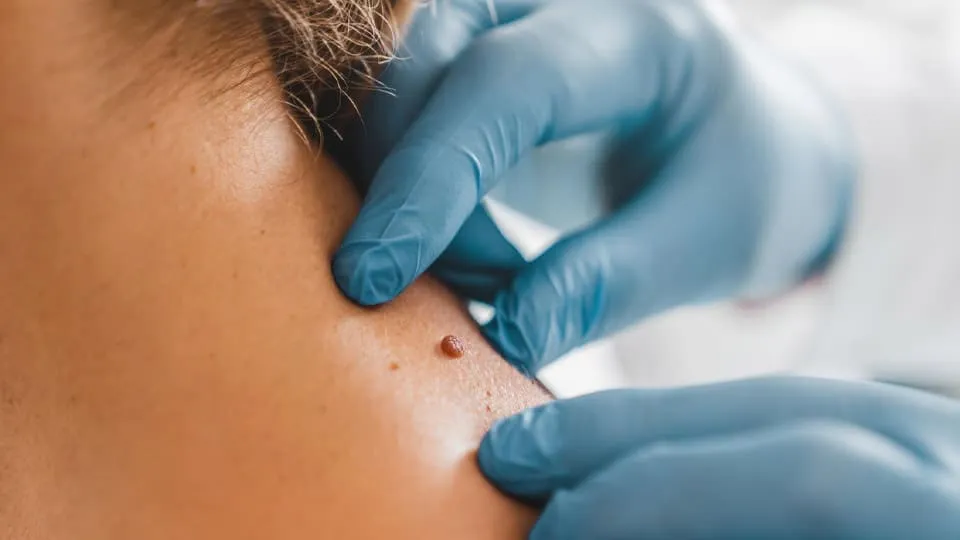
Patients often seek assessment when they notice a visible or palpable lump. Some lumps feel soft, while others feel firm. Symptoms vary widely. Some patients report pain, tenderness or changes in size. Others seek advice because a lump interferes with clothing, movement or cosmetic comfort. An assessment is recommended when a lump changes rapidly, becomes painful, causes skin irritation or remains unexplained for several weeks. Any lump that grows or bleeds should be evaluated.
Causes & Risk Factors
Lumps and bumps may appear for many reasons. Common causes include blocked glands, fatty tissue growth, infections or inflammation. Cysts may form due to trapped keratin or oil. Lipomas may develop from soft fat tissue. Skin tags may appear in areas of friction. Research suggests that genetics, age and lifestyle may influence certain benign lesions. Some medical conditions may increase inflammation or skin irritation. Your clinician considers these factors when recommending management options.
How the Condition is Diagnosed
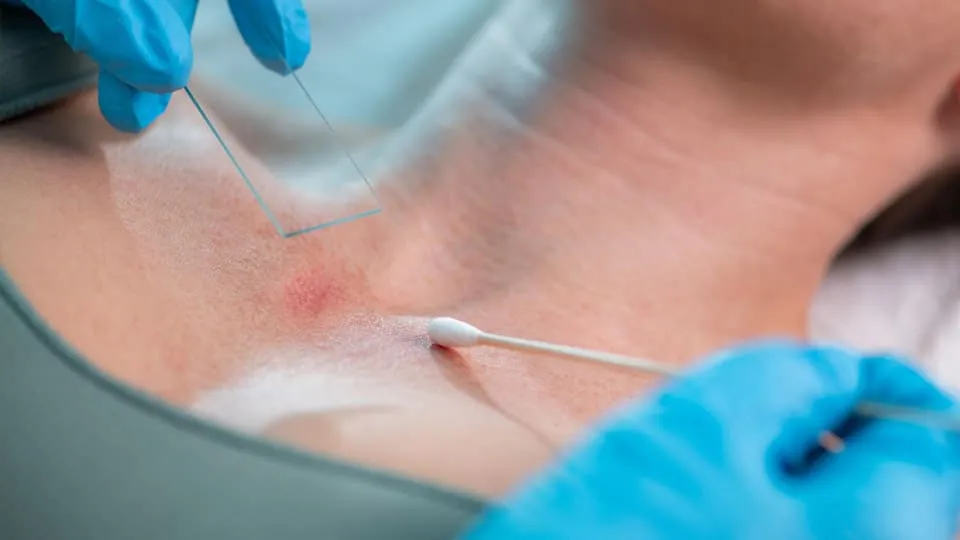
Diagnosis begins with a detailed examination of the lump. Clinicians assess size, shape, texture and mobility. They may ask about growth rate, symptoms and any history of trauma or infection. Dermatoscopy may be used to examine surface patterns. Ultrasound may be recommended for deeper lesions. A biopsy may be suggested when the appearance is unclear. A GP consultation is recommended if the lesion raises concerns about underlying disease. Diagnosis aims to guide safe and appropriate care.

Treatment Options
Benefits & Limitations
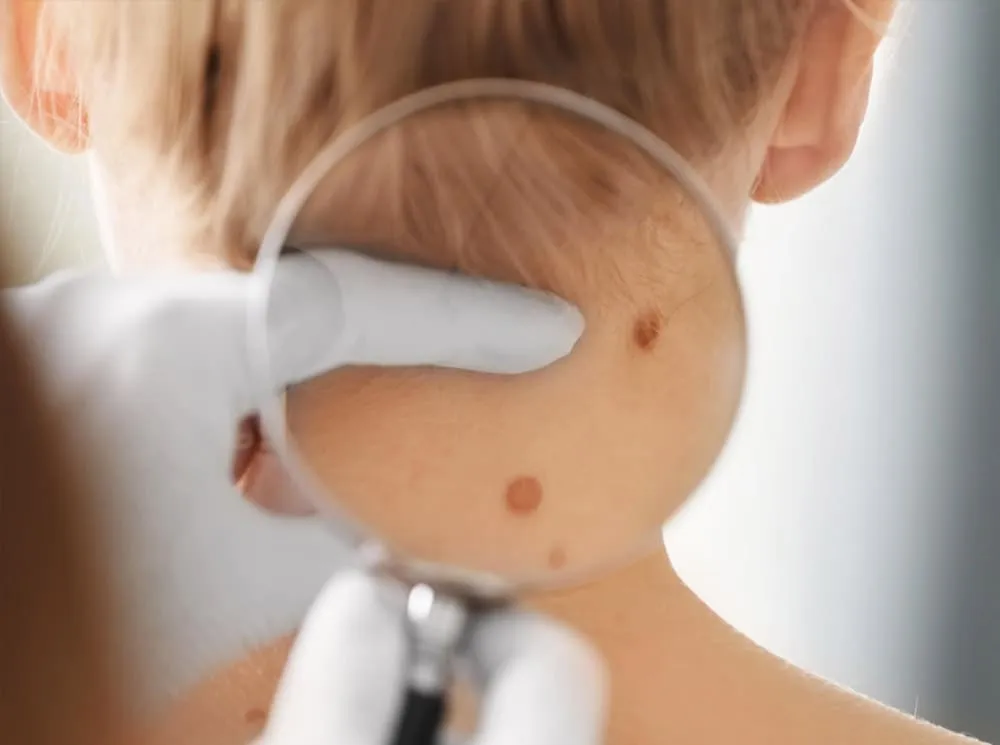
An assessment may help improve understanding and reduce uncertainty about lumps and bumps. Early evaluation may help identify conditions that need treatment. Some patients experience improved comfort when troublesome lumps are removed. However, limitations exist. Removal may not prevent new lumps from developing. Some lesions may recur despite treatment. Not all lumps can or need to be removed. Cosmetic results vary depending on healing and skin type. No treatment can guarantee perfect appearance or permanent results.
Potential Risks & Side Effects
Who is Suitable / Who May Not Be Suitable
Most adults with benign lumps and bumps may be suitable for assessment and treatment. Patients with painful, growing or irritated lesions often benefit from evaluation. However, individuals with uncontrolled medical conditions. Some lumps may require referral to dermatology or another specialist. Treatment suitability depends on safety, examination findings and patient history.
Aftercare & Recovery Expectations
When to Seek Medical Advice
Frequently Asked Questions
Are all lumps dangerous?
Will every lump require removal?
Does removal hurt?
Can lumps come back?
Should I worry if my lump is painless?
- This information is intended for general guidance and should not be considered a substitute for professional medical advice. If you have concerns about your symptoms or treatment options, please consult a qualified healthcare professional.