


An Echocardiogram Assessment is a non-invasive diagnostic test that uses ultrasound waves to create images of the heart.
It allows clinicians to observe heart structure, pumping function and blood flow patterns. The test helps identify potential issues related to valves, chambers or the heart muscle. Echocardiograms support diagnosis and monitoring, but they do not guarantee specific outcomes. Suitability depends on individual health concerns and clinical judgement.
Mediwell Clinic
Echocardiogram
Common Symptoms / When It May Be Needed
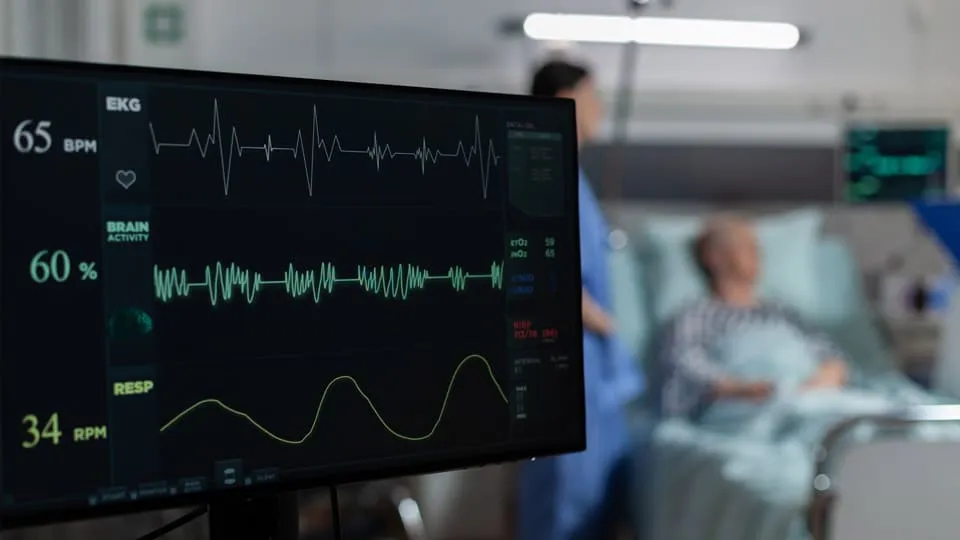
Patients may need an echocardiogram if they experience breathlessness, fatigue or chest tightness. Some individuals feel palpitations or swelling in the legs. Symptoms vary from person to person, and not all require imaging. An echocardiogram may be recommended for those with suspected valve problems, irregular heart rhythm or heart murmurs. It is also used to monitor long-term conditions such as heart failure or congenital heart disease. Clinicians may suggest the test when physical examination alone does not provide enough information.
Causes & Risk Factors
Heart symptoms may develop due to lifestyle, genetics or underlying medical conditions. Common causes include high blood pressure, coronary artery disease or viral infections that affect the heart. Risk factors may include smoking, diabetes, high cholesterol or a family history of heart conditions. Research suggests that stress, hormonal changes and certain medications may influence heart function. Echocardiograms help clinicians understand these factors and plan appropriate care.
How the Condition is Diagnosed
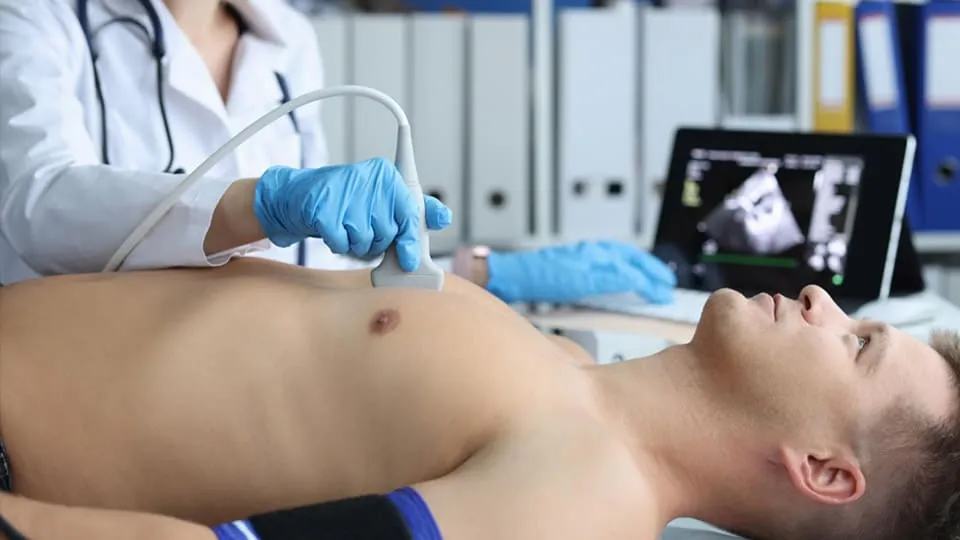
Diagnosis begins with a clinical consultation and physical examination. If an echocardiogram is recommended, clinicians apply gel to the chest and use a handheld probe to capture moving heart images. The images show how the heart pumps and how well the valves open and close. Doppler imaging may assess blood flow direction and speed. A GP consultation is recommended when symptoms suggest complex or advanced heart issues. Echocardiogram findings are interpreted alongside medical history and other tests.
Treatment Options
An echocardiogram does not provide treatment itself. Instead, it guides decision-making. Treatment options depend on findings. Some patients may require medication to support heart function or manage symptoms. Others may need lifestyle adjustments or further imaging. In certain cases, long-term monitoring is needed to track changes over time. Pricing may vary. Please contact the clinic for up-to-date information.
Benefits & Limitations
An echocardiogram may help identify concerns early and guide appropriate care. It offers real-time information without ionising radiation. Many patients feel reassured after understanding their heart function. It is suitable for children and adults when clinically indicated. However, limitations exist. Ultrasound may not capture clear images in some individuals due to body composition or lung interference. Some conditions require additional tests such as MRI, CT or ECG monitoring. No imaging test can guarantee complete detection of all heart issues.
Potential Risks & Side Effects
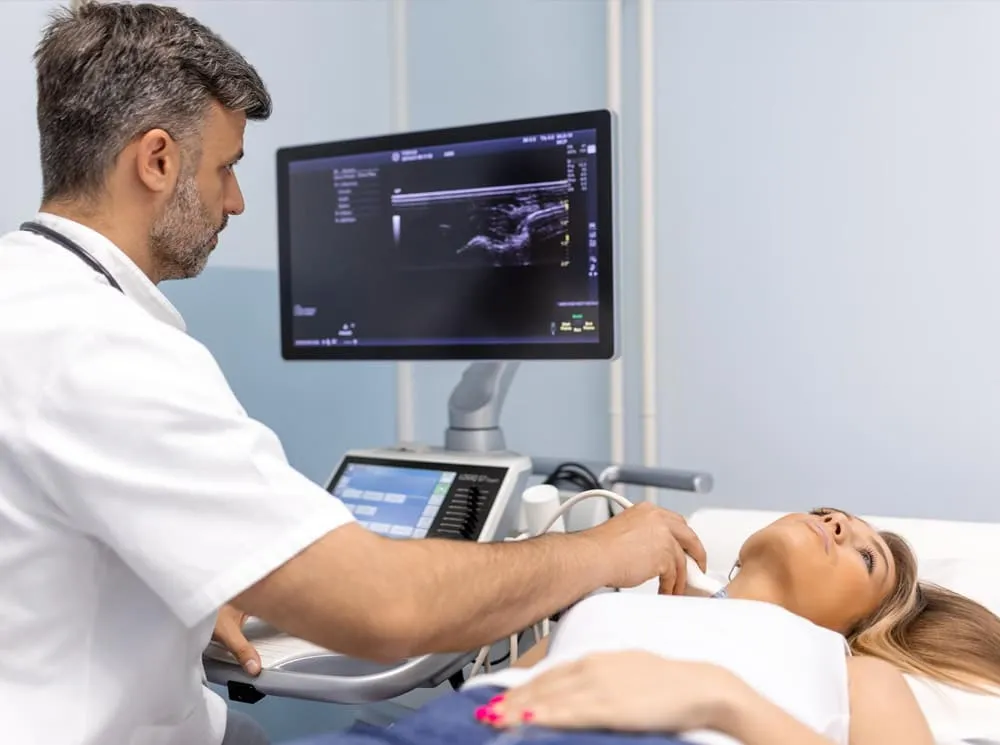
Echocardiography is considered safe. It does not expose patients to radiation. Most individuals experience no side effects. Some may feel mild pressure from the probe. Rarely, stress echocardiograms may cause temporary discomfort as they involve exercise or medication to increase heart activity. Your clinician discusses risks clearly before proceeding. There are no zero-risk medical procedures, but echocardiography is widely considered a safe and commonly used option when appropriate.
Who is Suitable / Who May Not Be Suitable
Most patients can undergo echocardiography. It is suitable for individuals with heart symptoms, high-risk factors or long-term cardiac conditions. It may also be appropriate for pregnant patients when needed. However, patients who cannot lie still or who have severe chest discomfort may need alternative approaches. Some tests, such as transoesophageal echocardiograms, may not be suitable for individuals with oesophageal conditions. A GP consultation is recommended when suitability is uncertain.
Aftercare & Recovery Expectations
Most patients return to normal activities immediately after the test. There is no recovery period for standard echocardiograms. Stress echocardiograms may require a short rest after completion. Clinicians provide results at a follow-up appointment or send them to the patient’s GP. If abnormalities appear, additional evaluation may be needed. Patients should contact the clinic if they feel unwell after the procedure.
When to Seek Medical Advice
Frequently Asked Questions
Is an echocardiogram painful?
No. Most patients feel only mild pressure from the probe.
How long does the test take?
Most scans take 20–45 minutes depending on complexity.
Will I need to undress?
You may need to remove clothing from the upper body to allow access to the chest.
Can I drive after the test?
Does a normal echocardiogram mean my heart is perfect?
Not necessarily. It helps assess many functions but may not detect every condition.
- This information is intended for general guidance and should not be considered a substitute for professional medical advice. If you have concerns about your symptoms or treatment options, please consult a qualified healthcare professional.