


Women’s general health care focuses on routine evaluations that monitor wellbeing, reproductive health, hormonal balance and long-term risks such as cardiovascular or metabolic concerns.
A general assessment may include a review of lifestyle, menstrual history, emotional wellbeing and physical health. Depending on the individual, clinicians may discuss contraceptive needs, menopause symptoms or concerns linked to fertility. The process aims to inform rather than promise specific outcomes, and each woman receives advice based on her personal situation.
Mediwell Clinic
Women’s Health Clinic
Common Symptoms / When It May Be Needed
Women attend a health clinic for many reasons. Some experience fatigue, mood changes or irregular menstrual cycles. Others may feel discomfort, pelvic pain, changes in skin or hair, or symptoms linked to stress. Symptoms vary from person to person, and some women attend even without symptoms for routine wellbeing checks. General assessments may be useful at key life stages such as puberty, pregnancy, postnatal recovery or menopause. They also support women who want to understand long-term health risks or manage ongoing conditions.

Causes & Risk Factors
Many factors influence women’s health. Hormonal changes, genetics, stress, lifestyle, diet and sleep all play a significant role. Age-related changes such as perimenopause or menopause may also affect wellbeing. Some women experience increased risks due to family history, previous medical conditions or long-term medication use. Research suggests that understanding personal risk factors can support healthier decisions. Clinicians discuss these risks clearly and guide women towards suitable next steps when appropriate.

How the Condition is Diagnosed
General women’s health assessments do not diagnose one single condition. Instead, they provide a structured overview of current health status. Clinicians usually check vital signs, review symptoms and discuss menstrual patterns or reproductive needs. Blood tests may be offered to assess hormonal balance, anaemia, thyroid function or metabolic health. Some women may require cervical screening, breast examination or imaging, depending on symptoms. A GP or specialist consultation is recommended when more detailed evaluation is needed.
Treatment Options
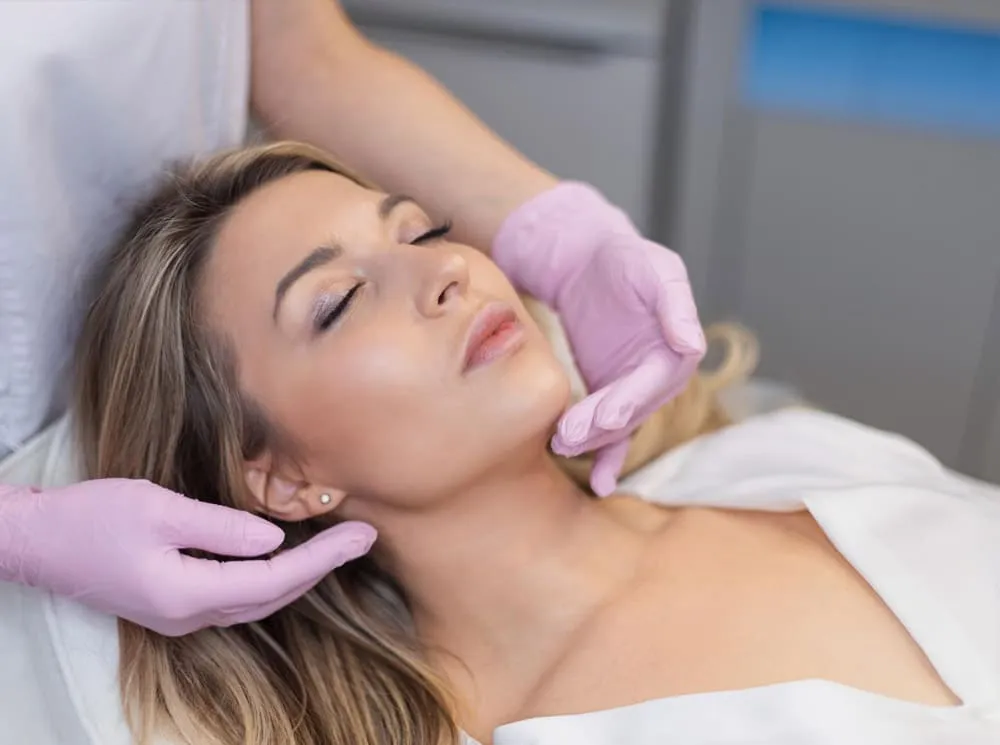
Treatment options depend on the findings of the assessment. Many women benefit from lifestyle guidance that may help improve sleep, diet, stress levels or physical activity. Others may need support related to hormones, contraception, fertility, pregnancy or menopausal concerns. Each treatment plan remains individual and depends on symptoms, history and personal circumstances. Pricing may vary. Please contact the clinic for up-to-date information.
Benefits & Limitations
Women’s health assessments may help detect concerns early, support healthy choices and provide clarity about reproductive or hormonal issues. They also create an opportunity for women to discuss emotional wellbeing, menstrual health and long-term risks. However, the process has limitations. A single assessment cannot identify all health issues, and some conditions require long-term monitoring or specialist support. No outcome can be guaranteed, and results vary depending on individual health factors.

Potential Risks & Side Effects
Routine assessments carry minimal risk. Some women may feel brief discomfort during pelvic examinations, cervical screening or blood tests. These effects usually settle quickly. If additional diagnostic tests are recommended, the clinician explains their specific risks. There are no zero-risk medical procedures, and women are encouraged to ask questions if they feel uncertain about any part of the process.
Who is Suitable / Who May Not Be Suitable
Most adult women may be suitable for a general health assessment. This includes women of reproductive age, those planning pregnancy, postnatal women and individuals experiencing menopause. However, women with severe or sudden symptoms—such as heavy bleeding, severe abdominal pain or sudden chest discomfort—should seek urgent medical care rather than a routine clinic visit.
Aftercare & Recovery Expectations
After a general assessment, most women can resume their normal activities immediately. If blood tests or examinations were performed, aftercare guidance depends on the procedure. Clinicians may recommend lifestyle changes, monitoring symptoms or scheduling follow-up appointments. Women should contact the clinic if new symptoms develop after the visit or if existing concerns worsen. Consistent follow-up helps ensure that health needs receive appropriate attention.
When to Seek Medical Advice
Women should seek medical attention if they experience sudden severe pain, heavy or unexpected bleeding, persistent fever, significant dizziness or symptoms affecting breathing. Non-urgent concerns, such as irregular periods, ongoing discomfort or changes in mood, may be discussed during a routine appointment.
Frequently Asked Questions
Do I need symptoms to attend a women’s health assessment?
No. Many women attend routine assessments even when they feel well.
Will I need hormone tests?
Your clinician will discuss this. Hormone tests are offered only when appropriate.
Are examinations mandatory?
No. Your clinician explains each option, and women can decide what feels appropriate.
- This information is intended for general guidance and should not be considered a substitute for professional medical advice. If you have concerns about your symptoms or treatment options, please consult a qualified healthcare professional.