


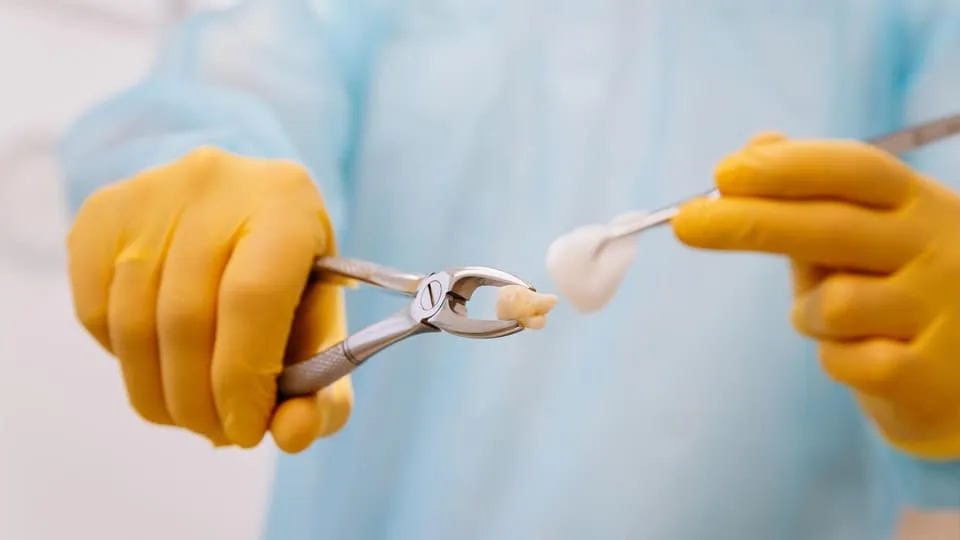
A Tooth Extraction Assessment is a clinical evaluation that determines whether a tooth requires removal.
Extraction may be considered when a tooth cannot be restored due to decay, infection or trauma. Dentists examine the affected tooth, review symptoms and assess surrounding tissues. X-rays may be taken to understand root structure, bone support and signs of infection. The aim is to guide patients rather than promise specific outcomes, as suitability depends on individual circumstances.
Oral and Maxillofacial Surgery
Tooth Extraction
Common Symptoms / When It May Be Needed
Patients may require assessment when they experience persistent tooth pain, swelling or sensitivity. Others notice broken teeth, large cavities or loose teeth linked to gum disease. Symptoms vary from person to person. Some patients seek evaluation after trauma or when wisdom teeth cause discomfort or pressure. Extraction may also be considered when orthodontic treatment requires additional space. The assessment helps determine whether removal is the safest and most effective option.

Causes & Risk Factors
Tooth damage or infection may arise from untreated decay, gum disease, injury or long-term wear. Research suggests that poor oral hygiene, smoking and dietary habits may increase risk. Genetic factors and medical conditions may also influence tooth stability. Impacted wisdom teeth may develop due to limited jaw space. Your Dentist considers these factors during the assessment to decide whether extraction or an alternative treatment is appropriate.
How the Condition is Diagnosed

Treatment Options
Benefits & Limitations
Potential Risks & Side Effects
Who is Suitable / Who May Not Be Suitable
Most patients with severe decay, infection or broken teeth may be suitable for extraction. Wisdom tooth removal may be recommended when symptoms or complications arise. However, individuals with uncontrolled medical conditions may require GP approval before treatment. Patients with bleeding disorders or compromised immunity may need specialist care. Dentists may advise alternative treatments when extraction is not clinically necessary or safe.
Aftercare & Recovery Expectations
Aftercare is essential for healing. Patients receive instructions on biting pressure, avoiding smoking and protecting the blood clot. Mild discomfort typically improves within a few days. Soft foods may help during early healing. Dentists may recommend pain relief or saltwater rinses after the first day. Follow-up visits help monitor healing. Patients should avoid strenuous activity and maintain gentle oral hygiene around the extraction site. Full healing varies depending on the tooth and individual factors.
When to Seek Medical Advice
Patients should seek urgent dental attention if they experience severe pain, heavy bleeding, fever or signs of infection. Persistent bad taste or exposed bone may indicate dry socket and requires prompt care. Swelling that worsens or difficulty opening the mouth should be assessed. Mild concerns may be discussed during routine follow-up appointments. A GP or specialist consultation is recommended if symptoms relate to broader medical conditions.
Frequently Asked Questions
Is tooth extraction painful?
Dentsits use techniques to help manage discomfort, but temporary soreness may occur.
How long is recovery?
Most patients heal within a few days, though full recovery varies.
Will I need a replacement tooth?
It depends on the tooth location and individual needs. Your Dentsits will discuss options.
Can I work after extraction?
Many patients return to routine activities within a day, depending on the complexity.
- This information is intended for general guidance and should not be considered a substitute for professional medical advice. If you have concerns about your symptoms or treatment options, please consult a qualified healthcare professional.