


A Teeth Whitening Assessment is a clinical evaluation that reviews the teeth and gums to determine whether whitening treatment may be suitable.
Whitening treatments use approved agents that may help lighten the appearance of tooth enamel when used safely. The assessment includes a discussion about dental history, lifestyle habits, current concerns and cosmetic expectations. Dentists examine enamel health, gum condition and existing restorations. The goal is to identify safe options rather than promise specific results.
Cosmetic Dentistry
Teeth Whitening
Common Symptoms / When It May Be Needed
Patients often seek whitening when they notice discolouration due to age, lifestyle or past habits. Some see yellowing, staining from tea, coffee or smoking, or uneven shades across different teeth. Symptoms vary from person to person, and some concerns involve deep enamel staining. An assessment may be needed for individuals preparing for cosmetic treatments or those wanting a brighter appearance for personal or professional reasons. It may also help patients whose natural shade has changed over time.
Causes & Risk Factors
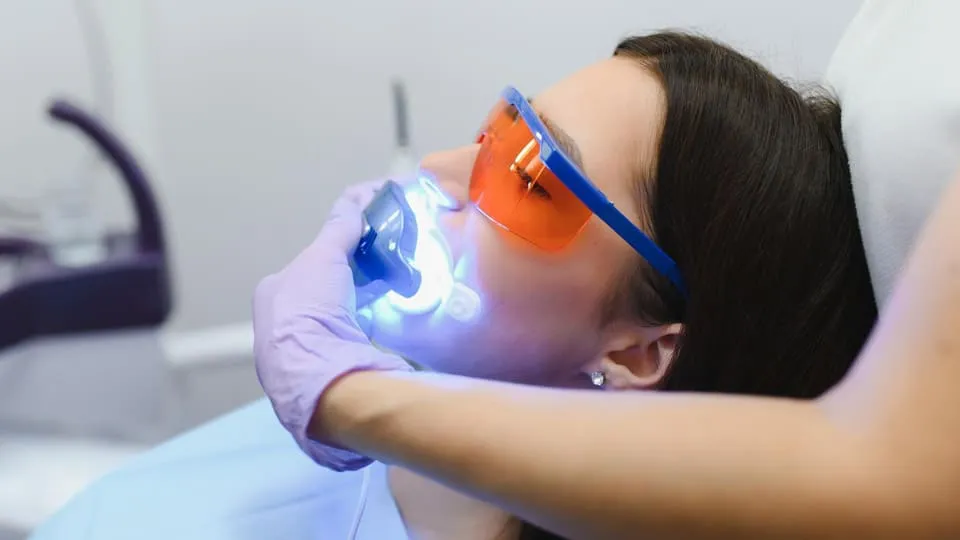
Tooth discolouration may develop for many reasons. Lifestyle factors such as coffee, tea, red wine and tobacco are common causes. Age-related changes may alter enamel thickness, revealing darker dentine beneath. Certain medications or medical conditions may also affect tooth colour. Research suggests that genetics may influence how teeth respond to whitening. Your Dentist considers these factors to determine whether whitening is appropriate or whether an alternative cosmetic option may be more suitable.
How the Condition is Diagnosed
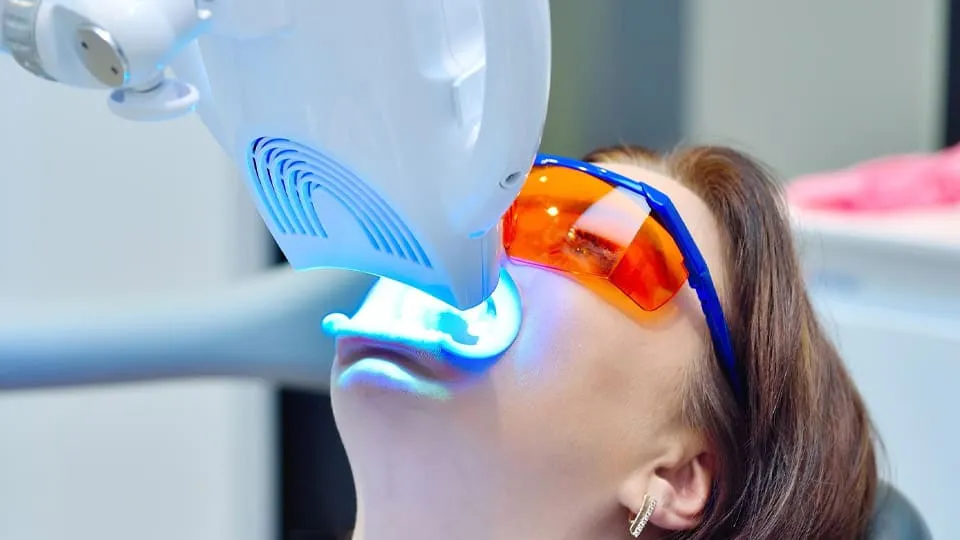
Diagnosis begins with a visual examination of the teeth and gums. Dentists may compare natural tooth shades against a standard shade guide. They assess enamel integrity, gum health and any existing restorations. Whitening may not change the colour of crowns, veneers or fillings, and this is discussed clearly. If deeper concerns such as decay or gum disease are present, they must be addressed before whitening. A GP or specialist consultation is recommended if medical conditions affect oral health or sensitivity.
Treatment Options
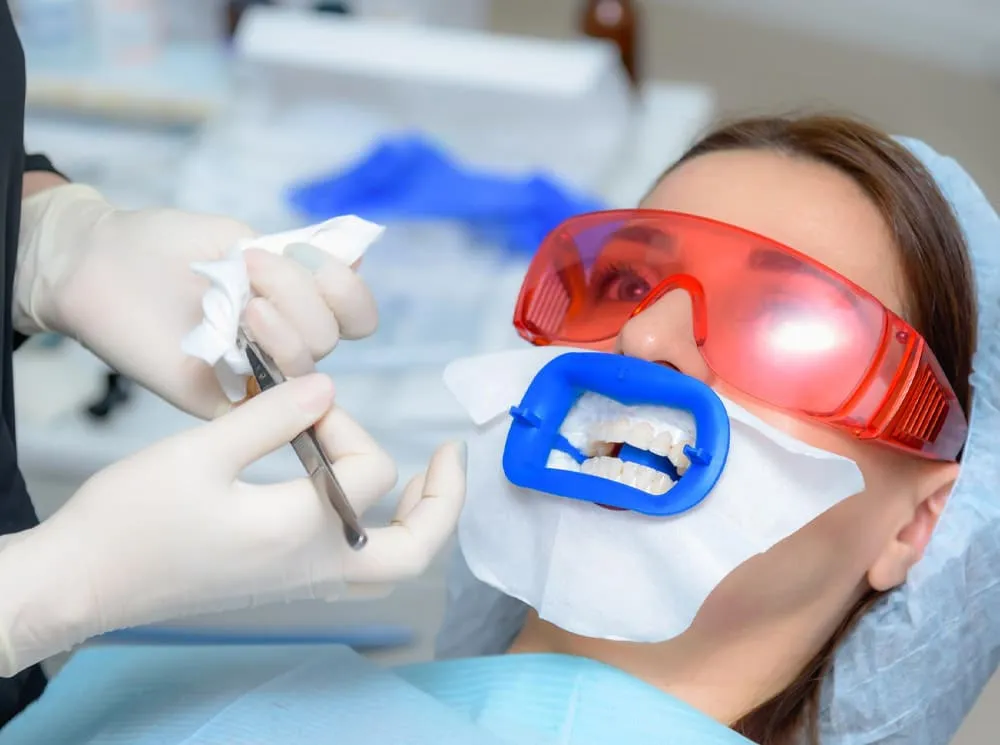
If whitening is appropriate, Dentists explain available treatment methods. Options may include in-clinic whitening or custom-made home whitening trays. In-clinic options may use controlled whitening agents applied by dental professionals. Home whitening uses dentist-prescribed gels with custom trays. Each method has its benefits and limitations. Some patients may require both approaches to achieve balanced results. Suitability depends on enamel quality, gum health and the severity of staining. Pricing may vary. Please contact the clinic for up-to-date information.
Benefits & Limitations
Teeth whitening may help improve the appearance of stained teeth when used safely. Many patients feel more confident with a brighter smile, and whitening may complement other cosmetic treatments. However, whitening cannot guarantee a perfect shade or a specific outcome. Results vary based on enamel condition, stain depth and individual habits. Whitening does not change the colour of restorations, and some patients may need additional cosmetic work for a uniform result. Whitening may also require maintenance over time.
Potential Risks & Side Effects
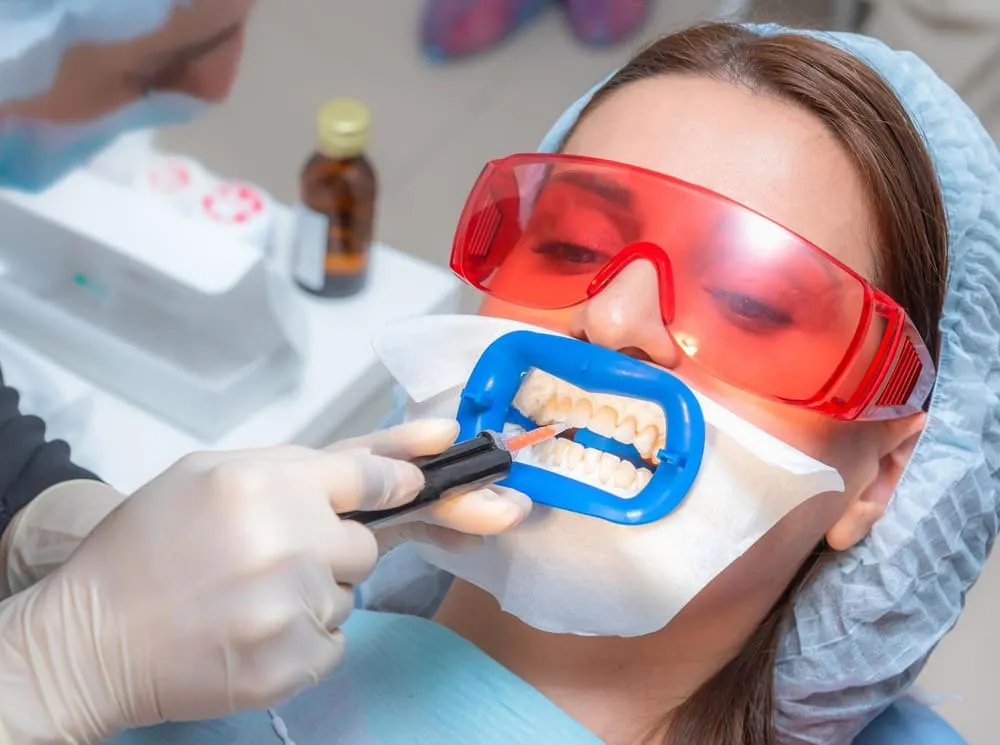
Whitening treatments carry potential risks. Some patients experience temporary sensitivity to cold, sweet foods or temperature changes. Gum irritation may occur if gels contact soft tissues. Overuse of whitening agents may weaken enamel, so treatments must follow professional guidance. Your Detist will explain all risks before the procedure. There are no zero-risk cosmetic treatments, and patients should ask questions during the assessment.
Who is Suitable / Who May Not Be Suitable
Many adults with healthy teeth and gums may be suitable for whitening. However, patients with untreated decay, active gum disease or very thin enamel may not be good candidates. Individuals with multiple crowns, veneers or large fillings may require alternative cosmetic options. Patients who are pregnant or breastfeeding may be advised to postpone treatment. A GP consultation is recommended if medical conditions influence oral health or sensitivity.
Aftercare & Recovery Expectations
After whitening, most patients resume normal activities quickly. Sensitivity may occur for a short time. Dentists may recommend desensitising toothpaste or avoiding very hot or cold drinks temporarily. Patients should reduce staining foods and smoking to maintain results. Regular dental check-ups help protect enamel and monitor changes. Whitening may require maintenance depending on lifestyle habits. Patients should contact the clinic if discomfort persists or if gums remain irritated.
When to Seek Medical Advice
Patients should seek dental advice if they experience ongoing pain, prolonged gum irritation or significant sensitivity after whitening. If whitening trays do not fit well or gel leaks onto the gums, adjustments may be needed. Mild concerns may be discussed during routine review appointments. A GP or specialist consultation is recommended if symptoms relate to underlying medical conditions.
Frequently Asked Questions
Does whitening work for everyone?
Are whitening results permanent?
Does whitening damage teeth?
Can restorations be whitened?
- This information is intended for general guidance and should not be considered a substitute for professional medical advice. If you have concerns about your symptoms or treatment options, please consult a qualified healthcare professional.