


Cosmetic Dentistry
Smile Design
What is a Smile Design Assessment?
Common Symptoms / When It May Be Needed
Causes & Risk Factors
How the Condition is Diagnosed
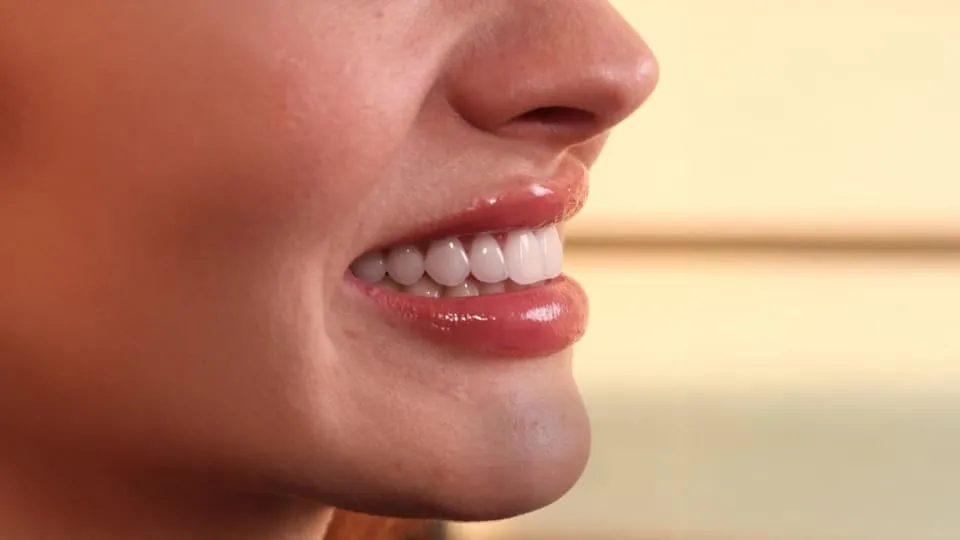
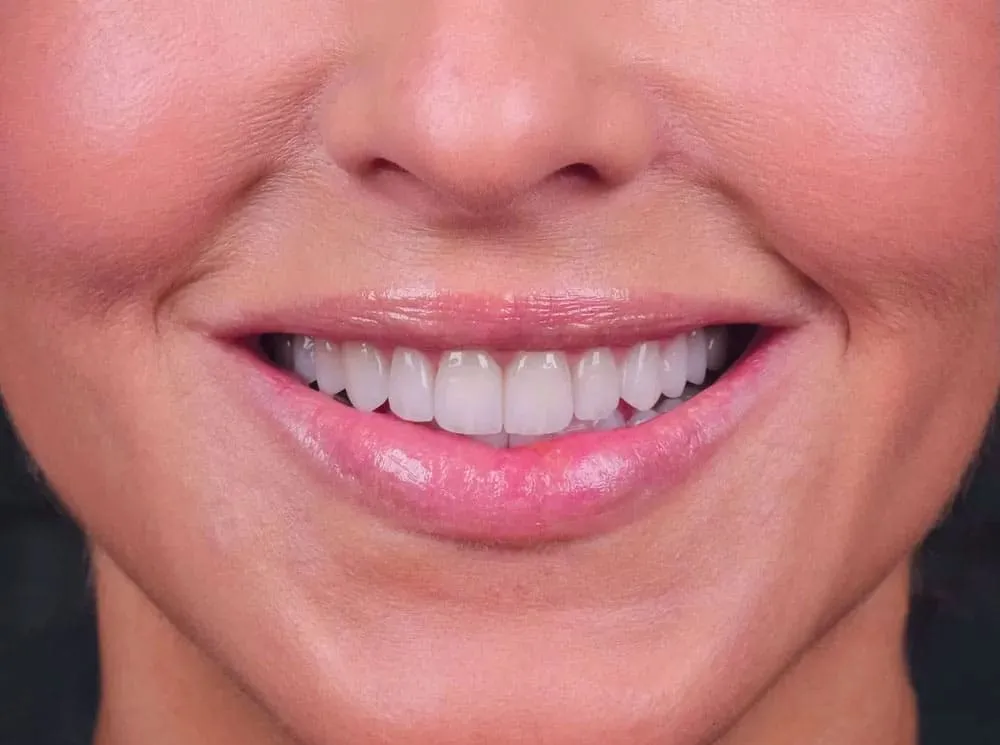
Diagnosis includes a detailed discussion about aesthetic goals, dental history and current oral health. Dentists examine the teeth, gums and bite. They may take clinical photographs or digital scans to analyse symmetry and proportion. X-rays may be needed to assess roots and bone support. The aim is to identify safe and appropriate options that match the patient’s expectations.
Treatment Options

Benefits & Limitations
A smile design assessment may help patients understand possible cosmetic options and support a structured plan. However, cosmetic outcomes vary depending on dental health, gum condition and oral habits. No treatment can guarantee specific results or long-term permanence. Some procedures require ongoing maintenance, and results differ between individuals.
Potential Risks & Side Effects
Cosmetic and restorative procedures carry potential risks. Whitening may cause temporary sensitivity. Bonding or veneers may require adjustments over time. Gum contouring may lead to mild swelling during healing. If orthodontic options are considered, discomfort may occur during initial stages. Clinicians discuss all risks before any treatment begins.
Who is Suitable / Who May Not Be Suitable
Many adults seeking cosmetic improvement may be suitable for a smile design assessment. However, individuals with untreated decay, gum disease or active infections may require dental treatment before aesthetic planning. Patients with unrealistic expectations may need further discussion about outcomes. Dentists may advise against certain cosmetic options if they are not clinically appropriate.
Aftercare & Recovery Expectations
When to Seek Medical Advice
Frequently Asked Questions
Do I need healthy teeth before smile design?
Yes. Oral health must be stable before cosmetic procedures.
Will whitening or bonding work for everyone?
Not always. Suitability depends on enamel, gum health and individual needs.
Are results permanent?
No. Cosmetic treatments require maintenance and may change over time.
Does this replace routine dental care?
No. Regular dental check-ups remain important for long-term oral health.
- This information is intended for general guidance and should not be considered a substitute for professional medical advice. If you have concerns about your symptoms or treatment options, please consult a qualified healthcare professional.