MediWell Clinic in London

onlinebook
BOOK ONLINE
Search treatments & services

Invisalign Treatment Assessment helps patients understand whether clear aligner therapy may be suitable for their dental alignment needs.

Many individuals consider Invisalign when they want a discreet orthodontic option, and an assessment helps clarify expectations and requirements. This information explains how the assessment works and what patients may expect.

Orthodontic Treatments

Invisalign Treatment

What is an Invisalign Treatment Assessment?

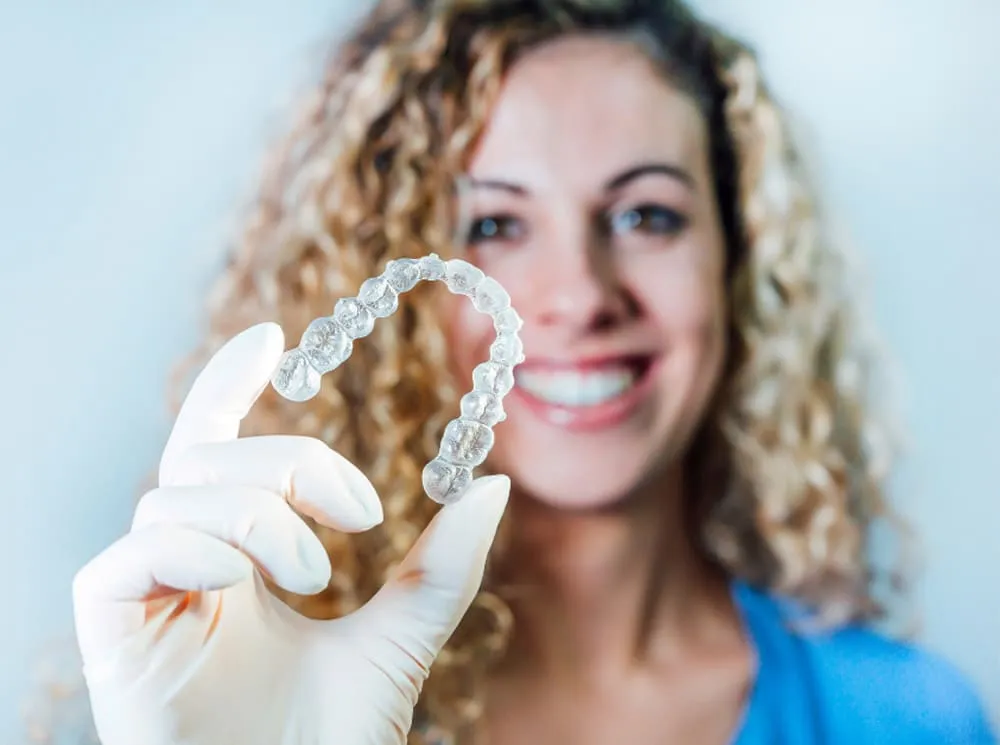
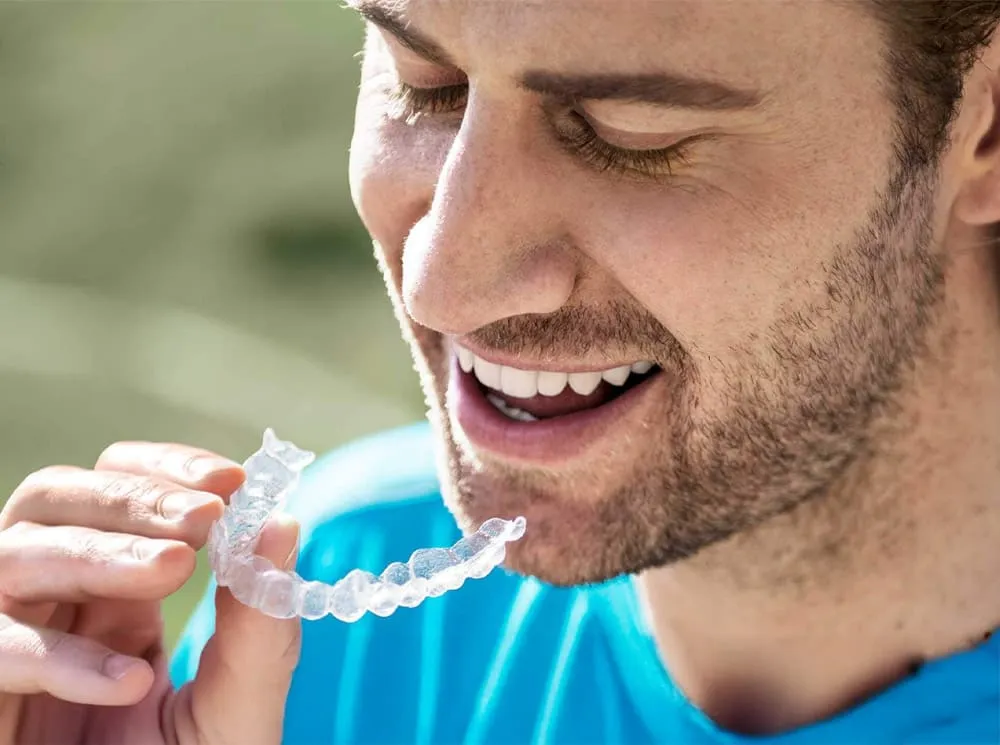
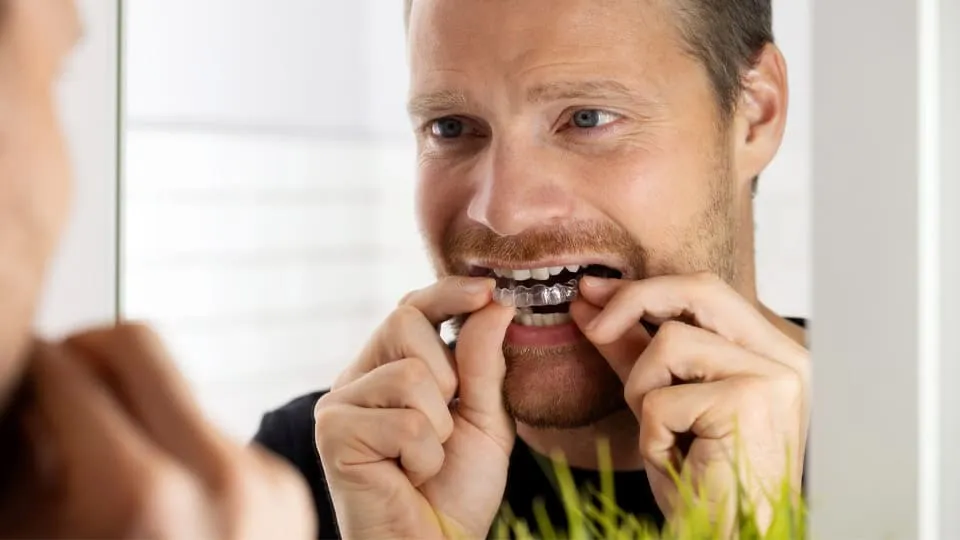
An Invisalign Treatment Assessment is a clinical evaluation that determines whether clear aligner therapy may help improve tooth alignment. Invisalign uses removable plastic aligners to guide teeth into new positions over time. During the assessment, Dentists review dental health, bite alignment and gum condition. Digital scans or impressions may be taken to plan potential movement. The goal is to provide clear guidance rather than guarantee specific results. Suitability depends on the individual’s dental structure and oral health.

invisalign-Common-Symptoms

Common Symptoms / When It May Be Needed

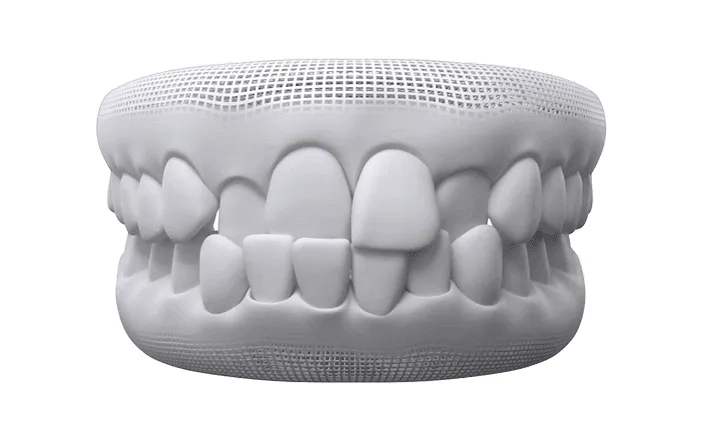
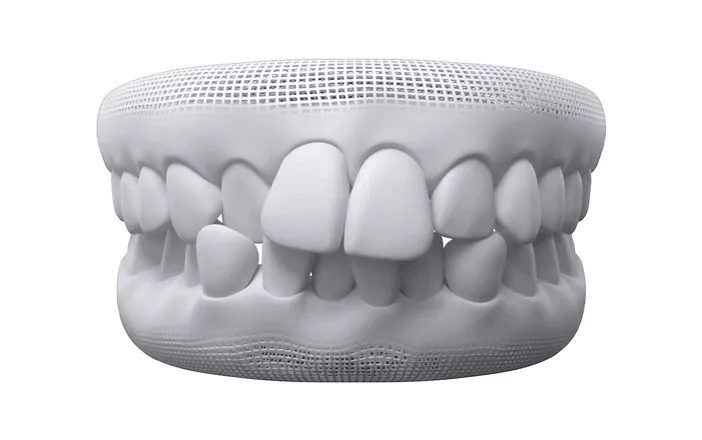
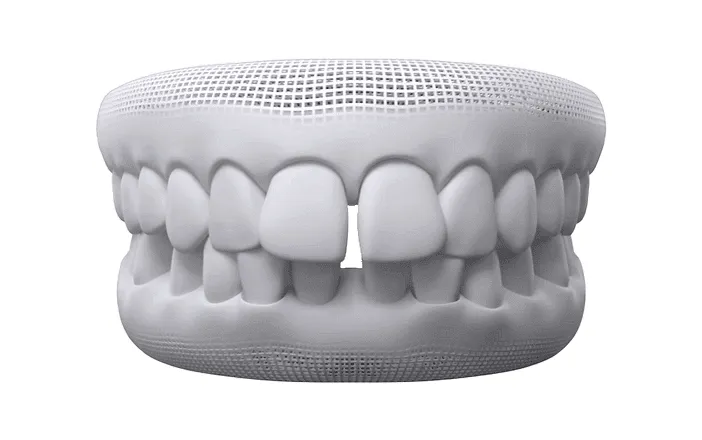
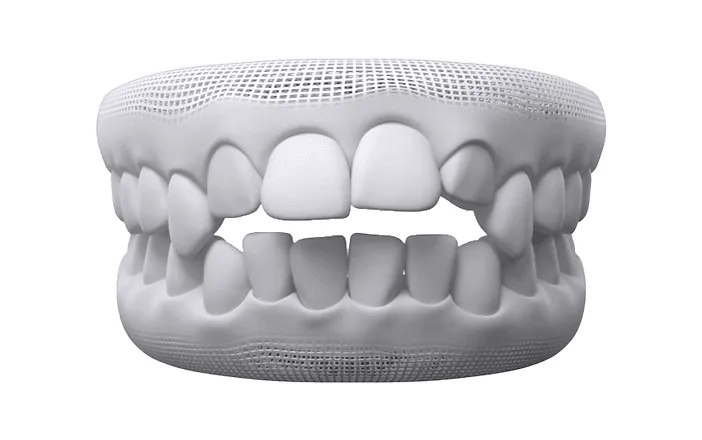
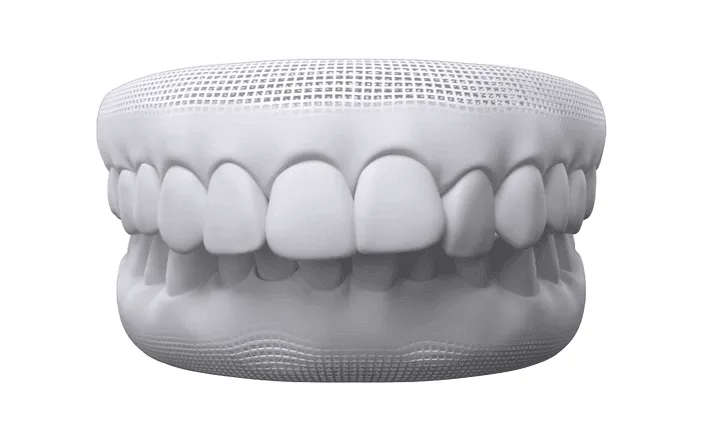
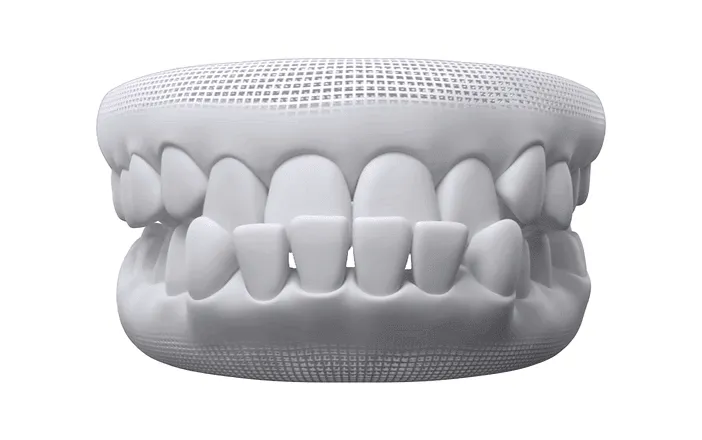
Patients often seek assessment when they notice crowding, spacing or bite irregularities. Some feel concerned about overlapping teeth or shifting teeth after previous orthodontic treatment. Symptoms vary from person to person. Others seek Invisalign to improve chewing comfort or speech changes caused by misalignment. An assessment is helpful when cosmetic or functional concerns affect confidence or comfort. Invisalign may also be considered when patients prefer a removable alternative to fixed braces.

invisalign-treatments-in-london-uk

Causes & Risk Factors

Alignment issues may develop due to genetics, early tooth loss or jaw growth differences. Some patients experience relapse after past orthodontic treatment. Grinding habits, mouth breathing or gum problems may influence tooth position. Research suggests that ageing may cause gradual dental shifting. Lifestyle factors, oral hygiene and general health also play a role. Your Dentist considers these factors when evaluating suitability for clear aligners.

Treatable Cases

orthodontic-treatments-invisalign

How the Condition is Diagnosed

Diagnosis begins with a full dental examination. Dentists assess tooth position, jaw function and gum health. Digital scanning technology may be used to create 3D images of the teeth. Photographs and X-rays may be taken to assess bone support. Diagnosis aims to identify alignment needs and determine whether Invisalign is clinically appropriate.

Treatment Options

If Invisalign is suitable, Dentist outline how aligners are worn and changed. Patients typically wear each set for a set number of days. Attachments may be added to support tooth movement. Some cases require interproximal reduction to create space. Alternatives include fixed metal braces, ceramic braces or other orthodontic systems. When Invisalign is not ideal, Dentists explain safer alternatives. Pricing may vary. Please contact the clinic for up-to-date information.

invisalign-treatments-mediwell-clinic

The world’s most advanced clear aligner system.

Designed to move you forward.

Benefits & Limitations

Invisalign may help improve alignment in many suitable cases. Patients often appreciate the removable design and discreet appearance. Clear aligners may support oral hygiene because they can be removed for cleaning. However, limitations exist. Invisalign requires consistent wear, and results vary by individual. Complex bite issues may need fixed braces or combined treatments. No orthodontic method can guarantee perfect outcomes. Aligner clarity may change depending on use and maintenance.

Potential Risks & Side Effects

Invisalign carries potential risks. Some patients experience pressure or discomfort when switching to a new aligner. Temporary speech changes may occur. Mild gum irritation may develop if aligners fit tightly. Rarely, aligners may crack or feel loose. Tooth movement may cause temporary sensitivity. Your Dentist will discuss all risks clearly before treatment. There are no zero-risk orthodontic procedures.

Who is Suitable / Who May Not Be Suitable

Adults and teenagers with mild to moderate alignment issues may be suitable for Invisalign. Patients seeking a discreet alternative to fixed braces often consider this option. However, individuals with severe bite problems, active gum disease or poor oral hygiene may not be suitable. Patients who cannot commit to wearing aligners as instructed may benefit more from fixed braces.

Aftercare & Recovery Expectations

Aftercare includes regular reviews to monitor progress. Aligners must be cleaned daily and worn as directed. Teeth may feel tender after each aligner change, but this usually improves. Retainers are needed after treatment to maintain results. Follow-up appointments help ensure stability. Long-term success depends on adherence to aftercare and retainer use.

When to Seek Medical Advice

Patients should seek advice if they experience persistent pain, bleeding gums or difficulty wearing aligners. Swelling, ulcers or unexpected tooth movement should be assessed promptly Mild discomfort is common, but worsening symptoms require evaluation.

Frequently Asked Questions

Do aligners need to be worn all day?

Most patients must wear them for most of the day, depending on clinician guidance.

No. Aligners should be removed before eating or drinking anything except water.

Some patients notice temporary changes that usually improve with use.

It varies. Some cases take months, while others take longer depending on complexity.

Yes. Retainers help maintain alignment after treatment ends.

Cookie Policy
This website uses statistical cookies. If you continue browsing, you agree to their use. You can learn more about our Cookie Policy and Privacy Policy.
What are these cookies used for: