


A Gum Aesthetics and Periodontology Assessment is a clinical evaluation of the gums, supporting tissues and overall periodontal health.
Periodontology focuses on the structures that support the teeth, including the gums, bone and ligament. Gum aesthetic concerns may include uneven gum levels, excess gum display, pigmentation or recession. During the assessment, Dentist examine gum condition, identify inflammation and review oral hygiene. The aim is to provide clear guidance rather than guarantee cosmetic results, as suitability for treatment varies.
Periodontology
Gum Aesthetics
Common Symptoms / When It May Be Needed
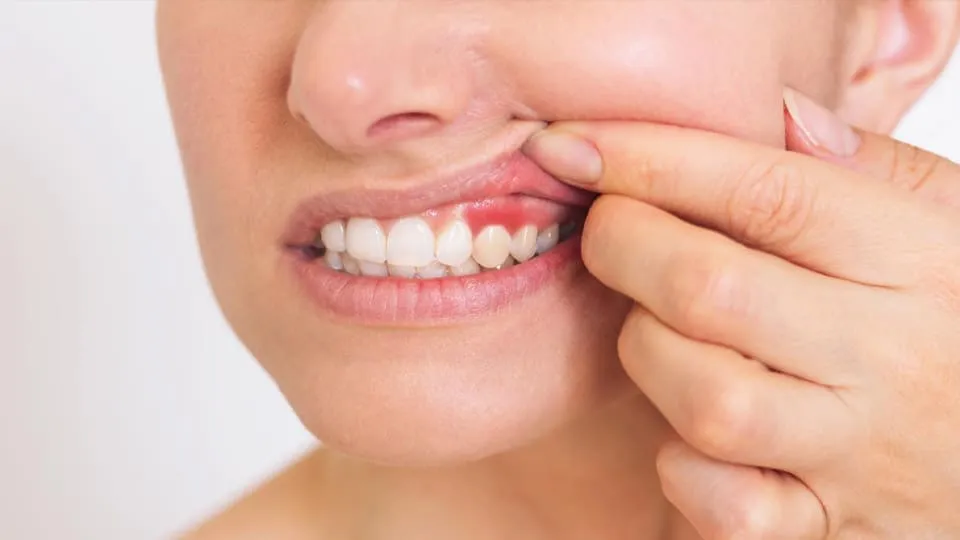
Patients may seek assessment when they notice bleeding gums, swelling or bad breath. Others feel concerned about their smile due to excess gum display, dark pigmentation or receding gums. Symptoms vary from person to person. Some patients experience discomfort when brushing or increased sensitivity. An assessment may be needed when gum pockets deepen, when teeth appear longer or when previous gum treatments no longer provide stability. Individuals planning restorative or cosmetic dentistry often require periodontal evaluation first.
Causes & Risk Factors
Gum health issues may develop due to plaque buildup, genetics, smoking or hormonal factors. Gum recession may occur due to aggressive brushing, misaligned teeth or grinding habits. Excess gum display may result from short teeth, altered eruption or lip movement. Research suggests that medical conditions such as diabetes may increase periodontal risk. Poor oral hygiene, stress and certain medications may also contribute. Your Dentist considers these factors to determine appropriate management options.
How the Condition is Diagnosed
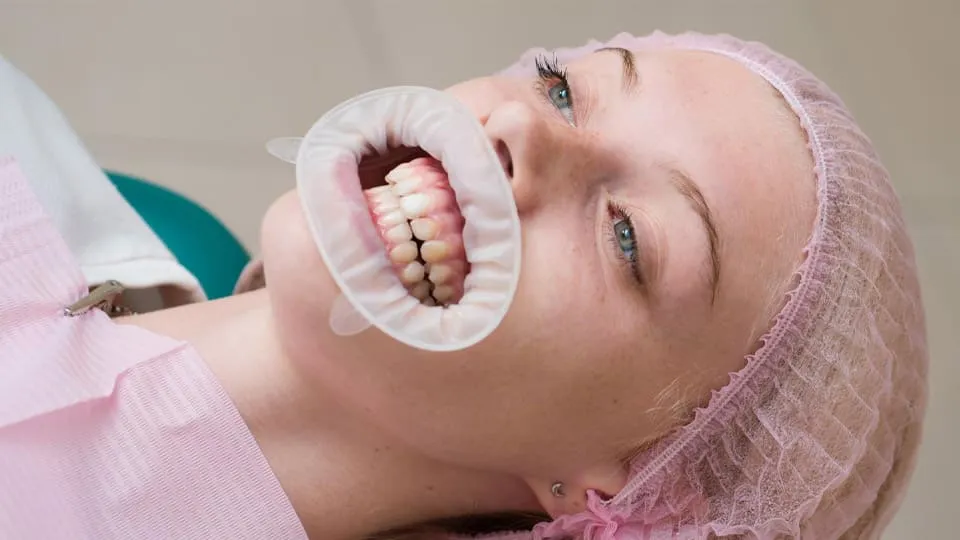
Diagnosis includes a detailed clinical examination of the gums, bone support and periodontal pockets. Dentists measure pocket depth to assess inflammation or bone loss. X-rays may be taken to identify hidden issues. Photographs or scans may help evaluate gum aesthetics, symmetry and smile dynamics. A GP or specialist consultation is recommended when medical conditions influence gum health. The goal is to understand the underlying cause before planning treatment.
Treatment Options
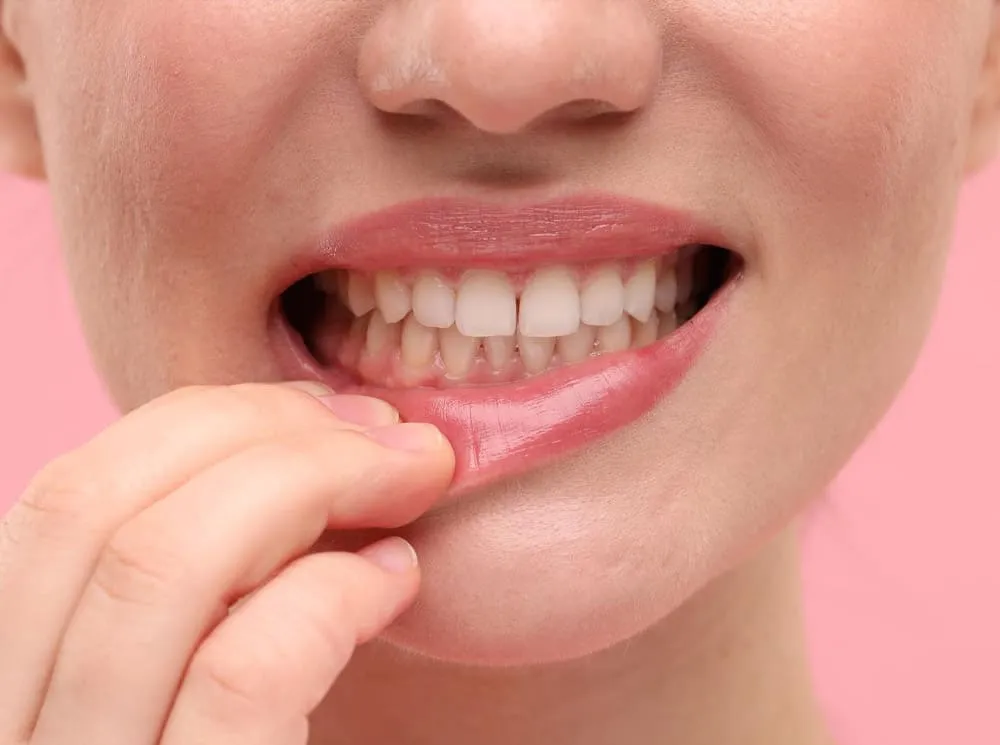
Treatment options vary depending on the condition. For periodontal disease, Dentists may recommend scaling, root surface cleaning or ongoing maintenance. Patients with gum recession may consider grafting where appropriate. Those seeking cosmetic refinement may explore gum contouring or crown lengthening. Pigmentation reduction may also be possible for some cases. When aesthetics are the priority, Dentists explain realistic outcomes and limitations. Alternatives such as orthodontics or restorative dentistry may support gum symmetry. Pricing may vary. Please contact the clinic for up-to-date information.
Benefits & Limitations
A gum aesthetics and periodontology assessment may help improve understanding of gum health and appearance. Many patients feel more confident after addressing inflammation or asymmetry. Healthy gums may support long-term dental stability. However, limitations exist. Gum treatments require consistent maintenance, and results vary by individual. Cosmetic gum procedures cannot guarantee perfect symmetry or long-term permanence. Periodontal disease may require ongoing care, and some conditions may not resolve fully. Lifestyle habits and medical factors influence outcomes significantly.

Potential Risks & Side Effects
Gum treatments carry potential risks. Scaling may cause temporary sensitivity. Gum contouring may lead to mild swelling or discomfort during healing. Grafting procedures may cause temporary soreness at donor and recipient sites. Pigmentation reduction may require multiple sessions. Surgical options may involve bruising or short-term tenderness. Your Dentist will explain all risks clearly before treatment. There are no zero-risk periodontal or cosmetic procedures.
Who is Suitable / Who May Not Be Suitable
Aftercare & Recovery Expectations
When to Seek Medical Advice
Frequently Asked Questions
Is gum contouring permanent?
Can gum disease be cured?
Do aesthetic gum treatments hurt?
Is grafting always necessary for recession?
- This information is intended for general guidance and should not be considered a substitute for professional medical advice. If you have concerns about your symptoms or treatment options, please consult a qualified healthcare professional.