


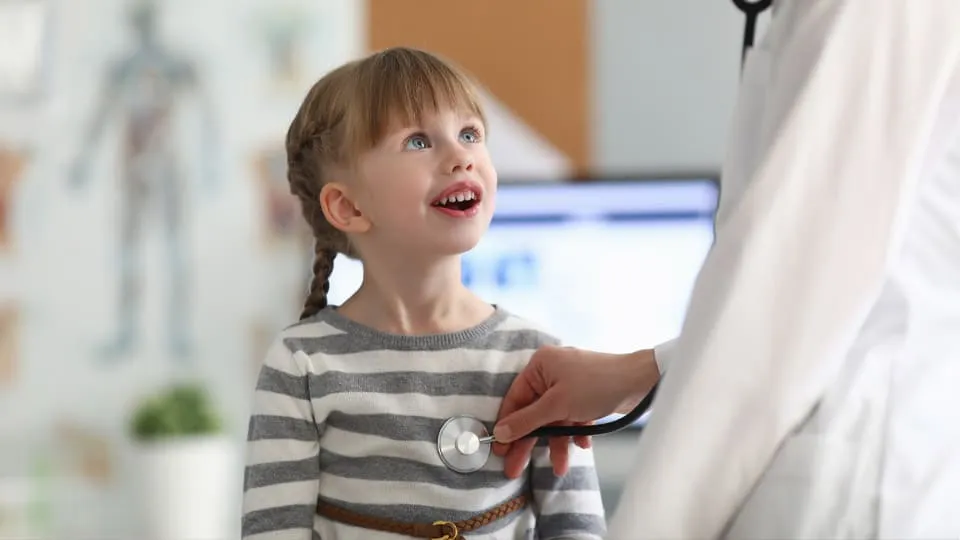
Paediatric general health care involves routine evaluations that help monitor a child’s growth, behaviour, development and overall wellbeing.
The Children’s Health Clinic provides assessments that aim to identify potential concerns at an early stage, as early support may help improve long-term outcomes. The process usually includes a review of medical history, growth measurements, developmental observations and age-appropriate physical examinations. These assessments guide parents and clinicians toward appropriate next steps when required.
Mediwell Clinic
Children’s Health Clinic
Common Symptoms / When It May Be Needed
Parents may bring their child for a general health review at various points. Some children experience recurrent tiredness, changes in appetite or variations in behaviour. Others may have concerns related to growth, sleep or frequent mild illnesses. Symptoms vary from person to person, and some children show no symptoms at all, yet families attend for routine checks to ensure that development appears on track. General assessments may also be helpful before school entry, during rapid growth periods or after an illness.
Causes & Risk Factors
A wide range of factors may influence a child’s health. Genetics, lifestyle, nutrition, environmental exposures and emotional wellbeing all play a role. Some children face higher risks due to a family history of certain conditions or ongoing medical needs. Others may be affected by frequent infections, stress, disrupted routines or delays in developmental milestones. Understanding potential risk factors helps families and clinicians decide which areas require additional attention. Research suggests that early identification allows timely support when appropriate.

How the Condition is Diagnosed
General health assessments do not diagnose a single condition but instead offer an overview of a child’s current health status. The clinician may ask about recent concerns and evaluates growth measurements such as height, weight and body mass index. They may assess hearing, vision, breathing patterns and coordination depending on the child’s age. Some children require further tests, and your clinician will discuss these options if needed. A GP consultation is recommended if more detailed evaluation is appropriate.

Treatment Options
Treatment options depend on the assessment findings. Some children benefit from simple lifestyle adjustments that may help improve sleep, nutrition or activity levels. Relevnet referrals will be made by clinican when needed. Each care plan depends on the individual child’s needs, and parents remain involved in every step. Pricing may vary. Please contact the clinic for up-to-date information.
Benefits & Limitations
General health assessments may help identify concerns early, support healthy development and reassure families when progress appears appropriate. They also allow parents to discuss questions about behaviour, diet, sleep or emotional wellbeing. However, the process has limitations. An assessment cannot detect all medical issues, and some conditions require long-term monitoring or specialist evaluation. No outcome can be guaranteed, and some children need further tests before a clear picture emerges.

Potential Risks & Side Effects
General assessments carry minimal risk for most children. Some may feel briefly uncomfortable during examinations such as ear checks or throat inspections, but these effects usually resolve quickly. Blood tests or diagnostic procedures may be recommended for specific concerns, and these carry their own risks, which the clinician will explain beforehand. There are no zero-risk medical procedures, and parents should speak with the healthcare team if they have questions about safety.
Who is Suitable / Who May Not Be Suitable
Most children may be suitable for a general health review. It benefits children of all ages, including infants, school-aged children and adolescents. However, children with acute medical symptoms such as severe breathing difficulty, high fever or sudden severe pain may require urgent care instead of a routine assessment. A GP consultation is recommended if parents feel unsure about the appropriateness of a clinic visit.
Aftercare & Recovery Expectations
After an assessment, families receive guidance that supports daily routines and wellbeing. Some children may benefit from monitoring symptoms or keeping a diary that tracks sleep, diet or behaviour. If tests were performed, recovery expectations depend on the procedure. Most children resume normal activities shortly after a routine appointment. Your clinician will discuss follow-up schedules, and parents should contact the clinic if new concerns arise. Consistent communication helps ensure that each child receives suitable support.
When to Seek Medical Advice
Parents should seek medical advice if they notice sudden changes in behaviour, breathing, consciousness or mobility. Persistent fever, dehydration, severe abdominal pain or rashes that spread quickly may also require urgent attention. If routine concerns continue despite lifestyle adjustments, a GP consultation is recommended. Trusting parental instincts is important because families often recognise subtle changes early.
Frequently Asked Questions
Is a general health assessment the same as a diagnosis?
No. It provides an overview and may highlight areas that need further evaluation.
How often should children have a routine check?
This depends on age, health history and parental concerns. Your clinician will discuss appropriate intervals.
Will my child always need further tests?
Not always. Some children require no additional investigations, while others may need follow-up depending on their symptoms.
Do behavioural changes always indicate a health issue?
Not necessarily. Behaviour varies widely, but consistent or concerning changes should be discussed with a clinician.
- This information is intended for general guidance and should not be considered a substitute for professional medical advice. If you have concerns about your symptoms or treatment options, please consult a qualified healthcare professional.