


A Braces with Metal Brackets Assessment is a detailed orthodontic evaluation that checks tooth position, bite function and jaw alignment.
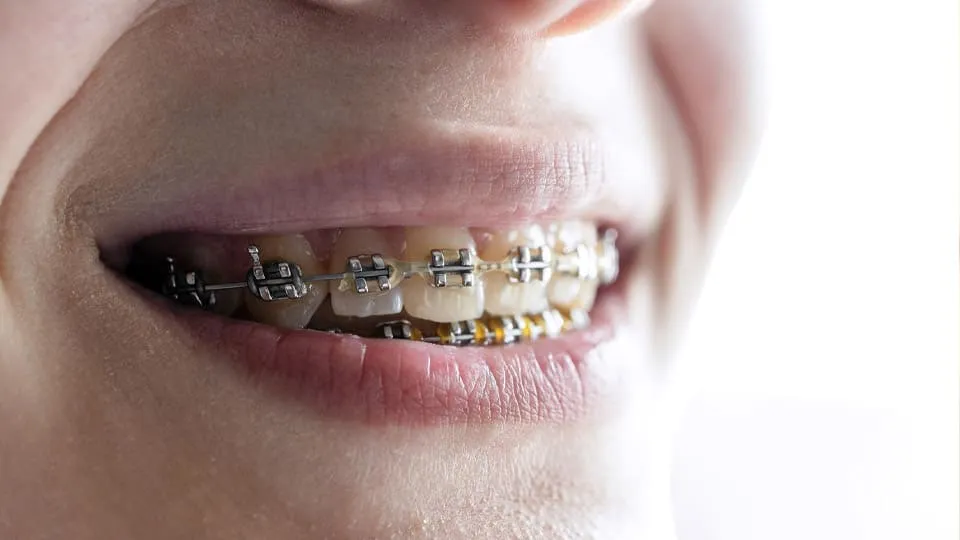
Metal braces use small stainless-steel brackets attached to each tooth. A wire connects these brackets and applies gentle pressure to guide teeth into better alignment over time. During the assessment, clinicians examine oral health, review dental history and discuss orthodontic goals.
Orthodontic Treatments
Metal Brackets
Common Symptoms / When It May Be Needed
Patients may consider metal braces when they notice crowding, rotated teeth or visible spacing. Others seek help due to bite problems such as overbite, underbite or crossbite. Some individuals experience chewing discomfort or speech changes linked to misaligned teeth. Symptoms vary from person to person. An assessment may also be recommended for adolescents during dental development or for adults who wish to improve long-standing alignment issues. It may help those who wore braces in the past but experienced relapse.
Causes & Risk Factors
Orthodontic concerns may arise due to genetics, childhood habits or uneven jaw growth. Thumb-sucking, early tooth loss or prolonged bottle use may influence alignment in children. In adults, untreated crowding or shifting may occur over time. Research suggests that gum health, bone levels and oral hygiene influence orthodontic planning. Lifestyle factors such as grinding or clenching may impact treatment. Clinicians consider these factors when determining whether metal braces are appropriate.
How the Condition is Diagnosed
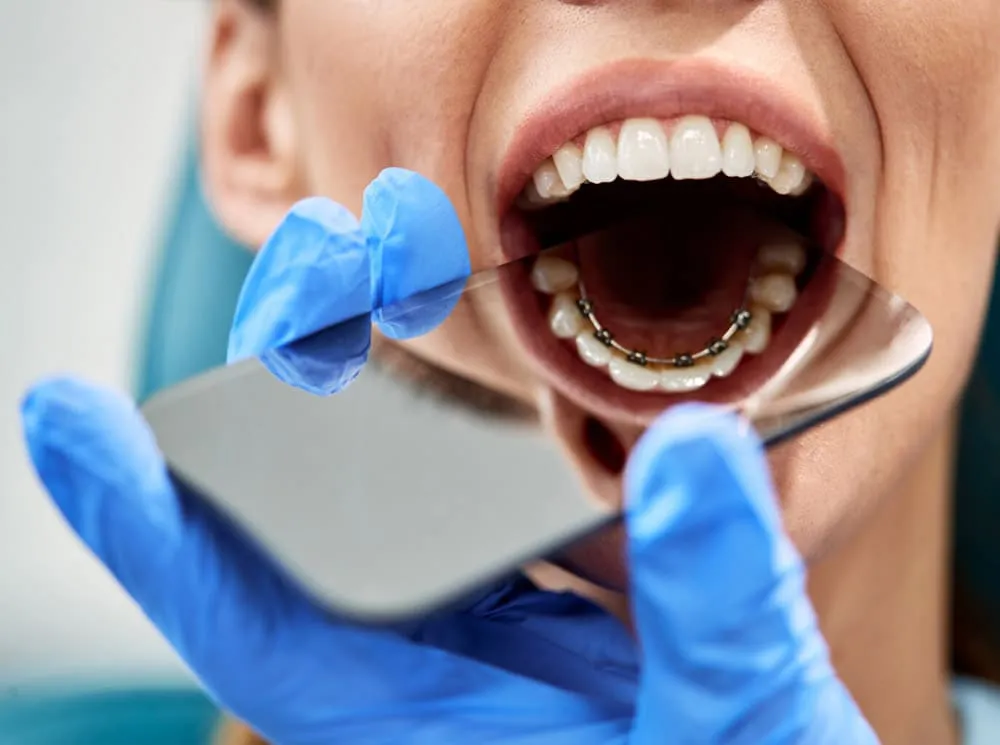
Diagnosis begins with a physical examination of teeth, gums and bite. Dentist may take photographs, X-rays or digital scans to assess the position of each tooth. These tools help create an accurate orthodontic plan. They also check for underlying issues such as decay, gum inflammation or bone concerns. If oral health problems are found, they must be treated before braces are considered.
Treatment Options
If braces appear suitable, The dentist will explain how metal brackets work and how they are placed. The process may involve teeth cleaning, bracket bonding and wire fitting. Adjustments occur at regular intervals during treatment. Some patients may require additional steps such as tooth polishing, interproximal reduction or elastic bands. Alternatives such as ceramic braces or clear aligners may also be discussed when appropriate. Each treatment plan depends on the patient’s dental health, goals and lifestyle. Pricing may vary. Please contact the clinic for up-to-date information.
Benefits & Limitations
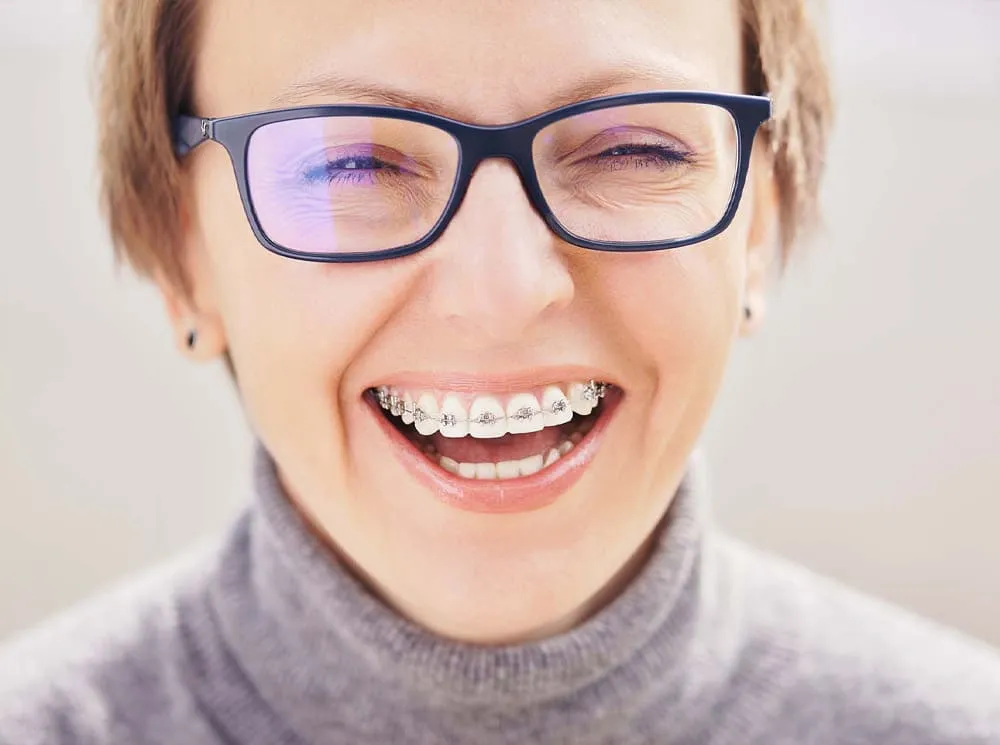
Metal braces may help improve alignment and bite function when used appropriately. They are known for durability and consistent results in a wide range of cases. Many patients appreciate that metal braces can address complex orthodontic needs. However, braces have limitations. Treatment duration varies and may last many months. Some patients experience temporary discomfort after adjustments. Braces are visible, which may influence patient preference. Results depend on oral hygiene, compliance and individual dental structure. No orthodontic treatment can guarantee a perfect or permanent outcome.
Potential Risks & Side Effects
Orthodontic treatment carries potential risks. Some patients notice mild discomfort during the first days after brace placement or adjustment. Brackets may irritate the cheeks or lips until tissues adapt. Poor cleaning may lead to plaque buildup or gum irritation. In rare cases, root movement or enamel changes may occur. If brackets loosen or wires break, repairs may be needed. Your Dentist will explain all risks clearly before treatment begins. There are no zero-risk treatments in orthodontics.
Who is Suitable / Who May Not Be Suitable
Who is Suitable / Who May Not Be Suitable
Many children, teenagers and adults may be suitable for metal braces. They are often recommended for moderate to severe alignment issues. However, patients with untreated gum disease, significant decay or poor oral hygiene may not be suitable until health improves. Individuals unwilling to maintain regular cleaning may face complications. Dentists may advise alternative options when metal braces are not clinically appropriate.
Aftercare & Recovery Expectations
Aftercare is essential for successful orthodontic outcomes. Patients may experience temporary soreness after adjustments, which usually settles. Soft foods may help during this period. Good brushing and flossing techniques are crucial to protect teeth and gums around the brackets. Avoiding sticky or hard foods helps prevent damage. Regular orthodontic visits support safe progress. Patients should contact the clinic if irritation, wire issues or discomfort worsen. Retainers are usually recommended after treatment to maintain alignment.
When to Seek Medical Advice
Patients should contact their Dentistif they experience persistent pain, broken wires, loose brackets or gum swelling. Urgent dental attention may be needed if wires cause injury. Mild concerns can be discussed during routine visits.
Frequently Asked Questions
Do metal braces hurt?
Mild discomfort may occur after adjustments, but it usually settles.
How long does treatment take?
Duration varies based on alignment needs and individual response.
Are metal braces suitable for adults?
Yes. Many adults benefit from metal braces when appropriate.
Do braces damage teeth?
Not when oral hygiene is maintained and appointments are followed.
- This information is intended for general guidance and should not be considered a substitute for professional medical advice. If you have concerns about your symptoms or treatment options, please consult a qualified healthcare professional.