


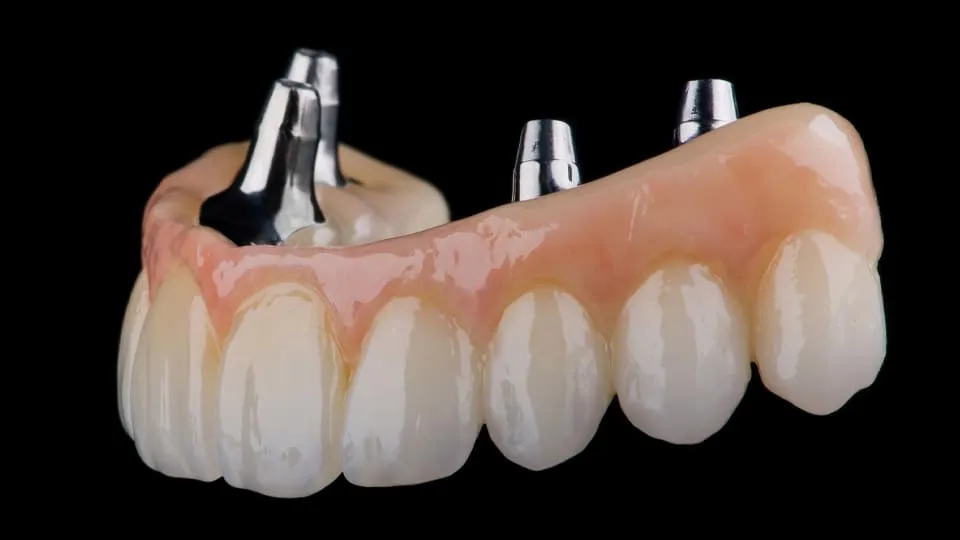
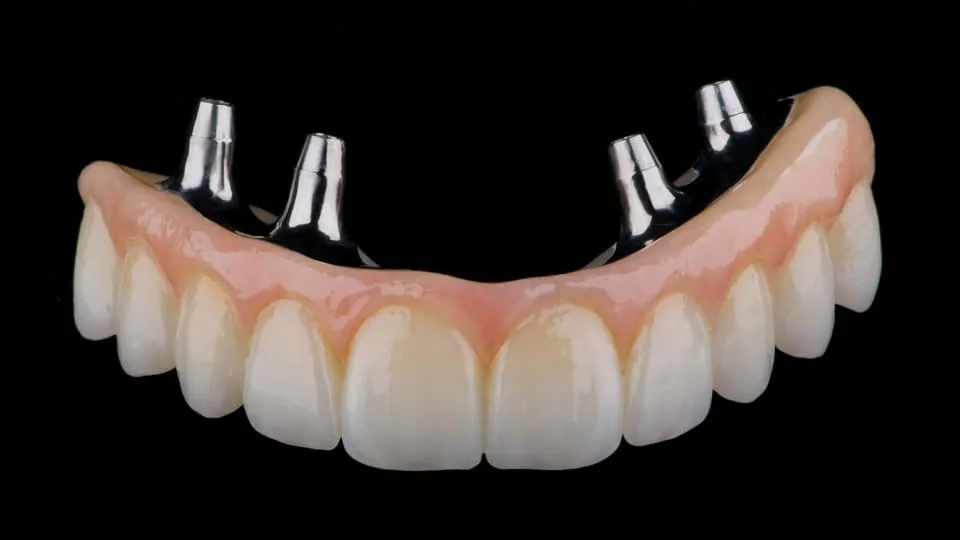
An All on Four / All on Six Treatment Assessment is a clinical evaluation that examines oral health, bone structure and suitability for full-arch implant-supported restorations.
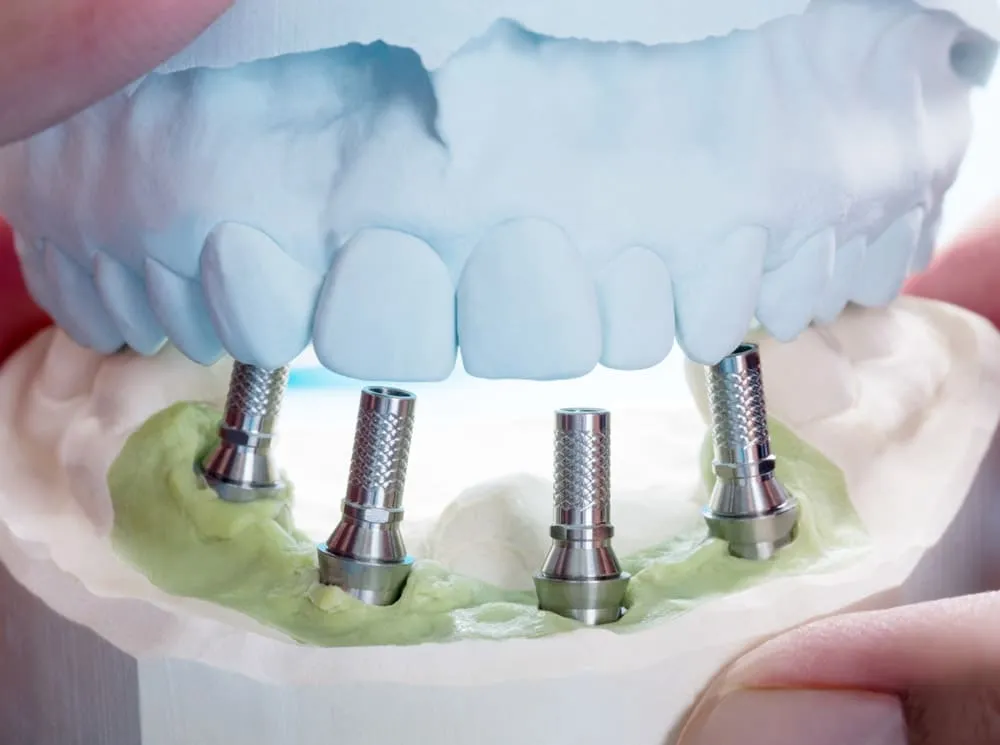
These treatments use four or six implants to support a fixed bridge. The assessment includes a review of gum health, bone density, bite alignment and overall dental history. Clinicians also discuss personal expectations and medical conditions that may affect healing. The aim is to provide informed guidance rather than promise specific outcomes, as suitability varies between individuals.
Dental Implants
All On Four-All On Six
Common Symptoms / When It May Be Needed
Patients often seek this assessment when they have multiple missing teeth or find their dentures unstable. Some experience difficulty chewing or speaking. Others feel self-conscious about their smile or want a more secure solution. Symptoms vary from person to person, and some concerns stem from long-term wear or past dental treatments. The assessment may also be helpful after severe dental infections, trauma or rapid tooth loss. It may support individuals considering a full-mouth rehabilitation approach.
Causes & Risk Factors
Tooth loss may result from advanced decay, gum disease, trauma or long-term wear. Research suggests that bone density, gum health and overall medical history influence suitability for these treatments. Smoking, uncontrolled diabetes and certain medications may affect healing. Tooth grinding may also impact long-term outcomes. Your Dentist considers these risk factors carefully before suggesting any treatment plan. Age alone does not determine suitability, but general health plays an important role.
How the Condition is Diagnosed
Diagnosis begins with a detailed discussion of symptoms, expectations and oral health history. Dentists examine the gums, teeth and bite. They may recommend X-rays or 3D scans to assess bone levels and anatomical structures. These images help determine safe implant placement and identify whether four or six implants may be more appropriate. If gum disease or infection is present, it must be treated before implant planning begins. A Clincian consultation is recommended if medical conditions could influence healing or bone stability.
Treatment Options
If suitable, dentists explain the steps of All on Four or All on Six treatment. This may include implant placement, temporary fixed restorations and later placement of final bridges. Some patients may require bone grafting or sinus elevation depending on bone availability. Others may need extractions or gum treatment as part of the process. When implants are not appropriate, alternatives such as removable dentures or implant-retained overdentures may be discussed. Treatment plans depend on oral health, lifestyle factors and personal goals. Pricing may vary. Please contact the clinic for up-to-date information.
Benefits & Limitations
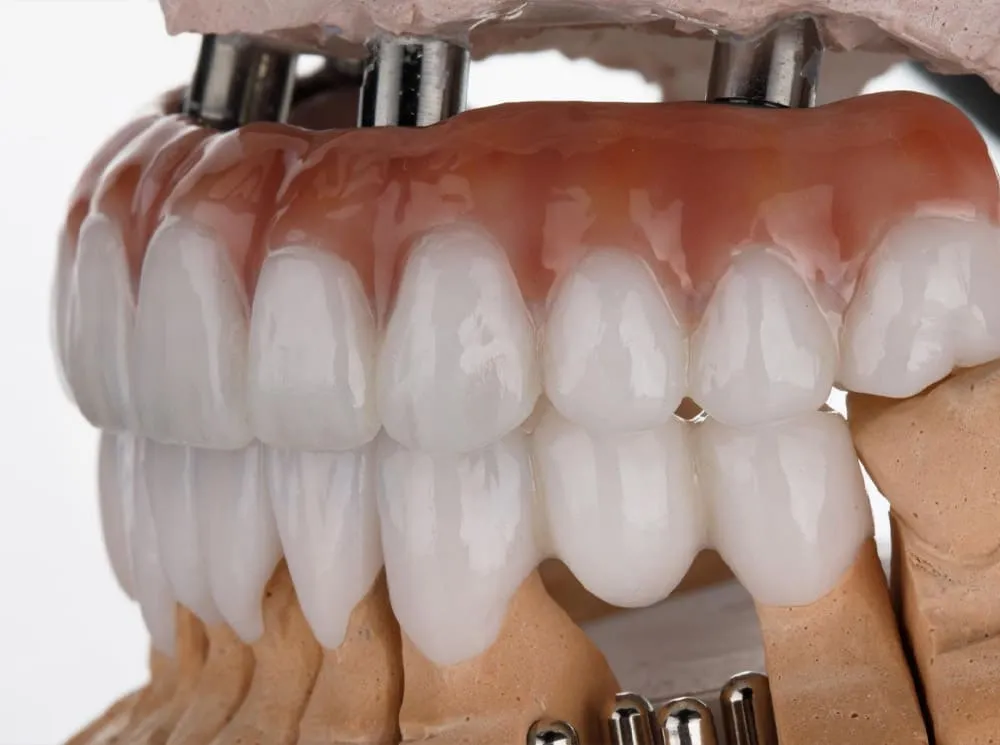
All on Four / All on Six treatments may help improve stability and comfort when replacing full arches of missing teeth. They may support chewing function and may help improve confidence during daily activities. Many patients appreciate having a fixed option compared to removable dentures. However, limitations exist. These treatments require healthy bone, good oral hygiene and long-term maintenance. Results vary depending on individual conditions. No implant treatment can guarantee permanent outcomes, and repairs or adjustments may be needed. These treatments also involve surgery and healing time.
Potential Risks & Side Effects
All surgical procedures carry potential risks. Some patients experience temporary swelling, bruising or discomfort after implant placement. Infection, implant loosening or gum inflammation may occur in some cases. Bone grafting carries additional risks. Smoking may increase complications. Bridge fractures, screw loosening or bite adjustments may be needed later. Your dentist will discuss all risks and healing expectations before proceeding. There are no zero-risk implant procedures, and patients should feel free to ask questions during the consultation.
Who is Suitable / Who May Not Be Suitable
Many adults with extensive tooth loss and good general health may be suitable for All on Four or All on Six treatment. Suitable candidates often have sufficient bone density and stable gum health. However, individuals with untreated gum disease, severe bone loss or uncontrolled medical conditions may not be candidates until further treatment occurs. Heavy smokers or patients with limited healing capacity may face increased risks. A Doctor consultation is recommended when general health concerns may affect recovery. Dentists may advise alternative treatments when implants are not clinically appropriate.
Aftercare & Recovery Expectations
After surgery, most patients experience mild swelling or discomfort for a few days. Dentists provide instructions about oral hygiene, medication and diet. Temporary fixed restorations may be placed during healing, and patients must follow guidelines to protect implants. Final bridges are placed once healing is complete. Long-term success depends on good oral hygiene, routine check-ups and avoiding habits that strain the implants. Patients should contact the clinic if pain increases or swelling persists.
When to Seek Medical Advice
Patients should seek urgent dental advice if they notice severe pain, significant swelling, prolonged bleeding or signs of infection. They should also contact the clinic if the temporary or final bridge feels loose. Mild concerns may be discussed during routine review visits.
Frequently Asked Questions
Are All on Four and All on Six permanent solutions?
Not permanently. They may last many years but require proper care and maintenance.
Which option is better, Four or Six?
Suitability depends on bone levels, bite and individual needs. Your dentist will discuss this further if needed.
Is the treatment painful?
Discomfort may occur, but dentist use techniques to help manage it.
Can smokers have this treatment?
Possibly, but smoking raises risks. dentists will advise based on personal health.
- This information is intended for general guidance and should not be considered a substitute for professional medical advice. If you have concerns about your symptoms or treatment options, please consult a qualified healthcare professional.