


An Ultrasound Assessment is a diagnostic imaging procedure that uses sound waves to create images of internal organs, tissues and blood flow.
It is used to investigate many symptoms and conditions. Clinicians apply a small handheld device to the skin to visualise structures safely. Ultrasound does not use radiation and is widely used when appropriate. The assessment helps identify potential issues or monitor ongoing conditions. It aims to provide clinical insight rather than guarantee outcomes.
Mediwell Clinic
Ultrasound
Common Symptoms / When It May Be Needed
Patients may require ultrasound when they experience abdominal pain, bloating or changes in urinary habits. Some seek evaluation for swelling, lumps or discomfort in soft tissues. Ultrasound is also used to monitor pregnancy, assess pelvic symptoms or evaluate blood vessels. Symptoms vary from person to person and may not indicate a specific condition. Clinicians may recommend ultrasound when physical examination alone does not provide enough information. It may also support ongoing monitoring for chronic conditions.

Causes & Risk Factors
Ultrasound may be needed due to a wide range of possible causes. Abdominal symptoms may be related to gallstones, liver function, kidney issues or digestive changes. Pelvic symptoms may relate to reproductive organs or urinary structures. Soft-tissue swelling may be caused by cysts, inflammation or benign growths. Risk factors vary and may include family history, lifestyle, previous illness or medication use. Your clinician considers these factors before recommending an ultrasound scan.

How the Condition is Diagnosed
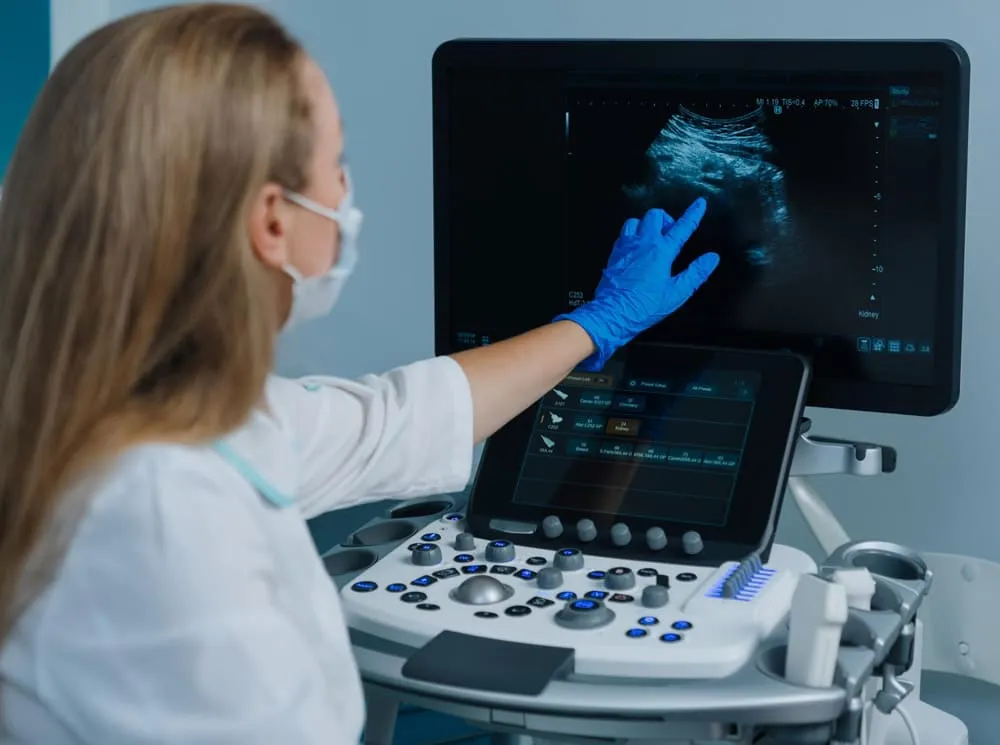
Diagnosis using ultrasound begins with a discussion about symptoms and medical history. Clinicians apply a gel to the skin, which helps the device capture images. They move the probe over the area of concern while observing images in real time. Ultrasound may show structural changes, fluid, inflammation or blood flow variations. A Doctor consultation is needed for all USG scans.
Treatment Options
Ultrasound itself is not a treatment but supports clinical decision-making. Treatment depends on the findings. Some patients may require medication, lifestyle changes or further imaging. Others may be referred to specialists for additional evaluation. When the scan appears normal, clinicians may suggest monitoring or alternative tests. If abnormalities appear, follow-up scans or blood tests may be recommended. Pricing may vary. Please contact the clinic for up-to-date information.
Benefits & Limitations
Ultrasound may help clinicians understand symptoms and guide appropriate care. It is widely used because it does not involve radiation and may offer real-time information. Many patients feel reassured after receiving clear results. It is suitable for many age groups and conditions. However, ultrasound has limitations. It may not visualise certain structures clearly. Gas or bone may obstruct sound waves. Some conditions require MRI, CT or blood tests for accurate evaluation. No imaging method can guarantee complete diagnosis for all patients.

Potential Risks & Side Effects
Ultrasound is considered safe for most patients. It does not use ionising radiation. Most people experience no side effects. Some may feel mild pressure from the probe. Rarely, slight discomfort occurs if the area is sensitive. Internal scans, such as pelvic ultrasound, may cause mild temporary discomfort. Your clinician will discuss any concerns before the procedure. There are no zero-risk procedures, but ultrasound is generally a well-tolerated and commonly used diagnostic tool.
Who is Suitable / Who May Not Be Suitable
Ultrasound is suitable for most adults, children and pregnant patients. It may be used for abdominal, pelvic, vascular or musculoskeletal concerns. However, some conditions require alternative imaging. Patients who cannot lie still or who experience severe pain during pressure may need adapted techniques. Internal ultrasound may not be suitable for some patients based on age, anatomy or medical conditions.
Aftercare & Recovery Expectations
Aftercare is simple. Most patients resume normal activities immediately. There is usually no recovery period. If an internal scan is performed, mild temporary discomfort may occur. Clinicians may advise drinking water before some examinations or avoiding food beforehand, depending on the scan type. Patients receive their results through their clinician, who will explain any next steps. Follow-up appointments may be arranged if further tests are needed.
When to Seek Medical Advice
Patients should seek medical advice if symptoms worsen after the scan or if new symptoms appear. Persistent severe pain, fever or swelling requires evaluation. Urgent care is required when symptoms suggest serious illness, such as chest pain, heavy bleeding or breathing difficulty.
Frequently Asked Questions
Is ultrasound safe?
Yes. It uses sound waves, not radiation.
Does the scan hurt?
Most patients feel mild pressure only, though sensitive areas may feel uncomfortable.
How long does an ultrasound take?
Most scans take 10–30 minutes depending on the area.
Will the scan show everything?
Not always. Some structures are difficult to visualise, and other tests may be needed.
Can I eat before the scan?
It depends on the type. Your clinician will advise if fasting is required.
- Information on this website is provided for general guidance only and should not be used as a substitute for professional medical advice. If you have concerns about your health, symptoms or treatment options, please seek advice from a qualified healthcare professional.