


An ECG Assessment is a simple and non-invasive test that records the electrical activity of the heart.
Electrodes placed on the chest, arms and legs detect electrical signals as the heart beats. The test creates a tracing that shows heart rhythm patterns. Clinicians use ECGs to detect irregular rhythms, conduction issues or signs of strain on the heart. The assessment helps guide diagnosis but does not guarantee results. Suitability depends on individual symptoms and medical history.
Mediwell Clinic
ECG
Common Symptoms / When It May Be Needed
Patients often require an ECG when they experience palpitations, fainting episodes or chest discomfort. Some may feel short of breath or unusually tired during activity. Symptoms vary from person to person and may not always indicate a heart problem. An ECG may be recommended when physical examination reveals an irregular heartbeat or when patients take medications that affect heart rhythm. It is also used for routine monitoring in individuals with known heart conditions.
Causes & Risk Factors
Irregular heart activity may occur due to stress, lifestyle factors or underlying cardiac disease. Common causes include high blood pressure, coronary artery disease, electrolyte imbalances or thyroid disorders. Risk factors may include smoking, diabetes, high cholesterol or a family history of heart rhythm issues. Some medications may influence heart rate. Research suggests that dehydration or intense exercise may also affect ECG findings. Clinicians assess these factors before recommending the test.
How the Condition is Diagnosed
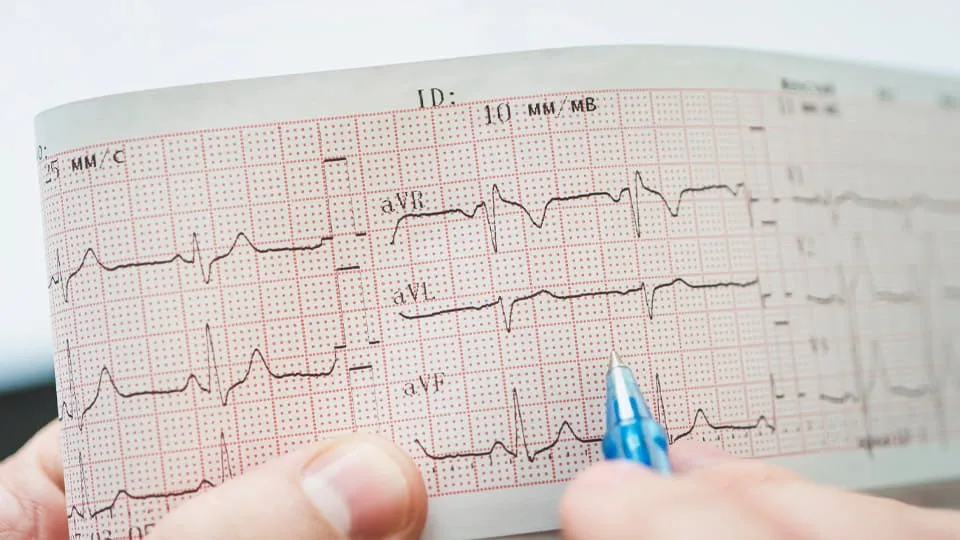
Diagnosis with ECG begins with a brief discussion about symptoms and medical history. Clinicians attach small adhesive electrodes to the skin and connect them to the ECG machine. The test records electrical signals over a short period. Results may indicate whether the heart rhythm is normal or irregular. In some cases, abnormalities require further tests, such as Holter monitoring or echocardiography. A GP consultation is recommended when symptoms suggest complex or persistent heart issues.
Treatment Options
An ECG does not provide treatment, but it helps guide appropriate care. Treatment depends on the findings and the underlying cause. Some patients may require medication adjustments or lifestyle changes. Others may need further tests to better understand heart rhythm. When necessary, clinicians may refer patients to specialist assessment. If the ECG appears normal, symptoms may be monitored or alternative investigations may be suggested. Pricing may vary. Please contact the clinic for up-to-date information.
Benefits & Limitations
An ECG may help detect irregular heart rhythms and guide further investigation. It is quick, widely available and provides immediate information. Many patients feel reassured after completing the test. However, limitations exist. ECGs show heart activity only during the recording period. Some rhythm problems occur intermittently and may not be captured. Certain structural heart issues require imaging rather than ECG tracing. No single test can guarantee full assessment of cardiac health.
Potential Risks & Side Effects
ECGs are considered safe. The test does not expose patients to radiation or invasive procedures. Some individuals may feel mild skin irritation from the adhesive pads. Rarely, removing the electrodes may cause minor discomfort. There are no zero-risk medical procedures, but ECGs are widely considered a safe and commonly used diagnostic tool. Clinicians explain each step clearly to reduce anxiety.
Who is Suitable / Who May Not Be Suitable
Most adults and children are suitable for ECG testing. Patients with symptoms such as palpitations, chest tightness or dizziness may benefit from assessment. ECGs are also suitable for patients with chronic heart conditions. However, individuals with severe skin sensitivities may require adapted electrode placement. Those unable to remain still for the short duration of the test may need additional support. A GP consultation is recommended when suitability is uncertain.
Aftercare & Recovery Expectations
Aftercare is minimal. Patients can usually return to normal activity immediately. No recovery time is required. Results may be discussed during the visit. Follow-up tests may be recommended based on findings. Patients should contact the clinic if symptoms worsen or if new cardiac symptoms appear after the test.
When to Seek Medical Advice
Patients should seek urgent care if they experience severe chest pain, shortness of breath or loss of consciousness. These symptoms require emergency evaluation. Further advice is needed when symptoms continue despite normal ECG results. A GP consultation is recommended if symptoms change or increase over time.
Frequently Asked Questions
Is an ECG painful?
No. The test is painless, though electrode removal may feel mildly uncomfortable.
How long does the ECG take?
Will the ECG detect every heart problem?
Do I need to prepare for the test?
Can anxiety affect ECG results?
Yes. Stress or nervousness may temporarily change heart rate.
- This information is intended for general guidance and should not be considered a substitute for professional medical advice. If you have concerns about your symptoms or treatment options, please consult a qualified healthcare professional.