MediWell Clinic in London

onlinebook
BOOK ONLINE
Search treatments & services

Hair transplant is a medical procedure used to address certain forms of hair loss.

Hair loss may affect physical appearance and emotional wellbeing, and many people seek clear and realistic information before considering treatment. Hair transplant should be understood as an individual medical option rather than a universal solution.

Mediwell Hair Clinic

Hair Clinic

What is Hair Transplant?

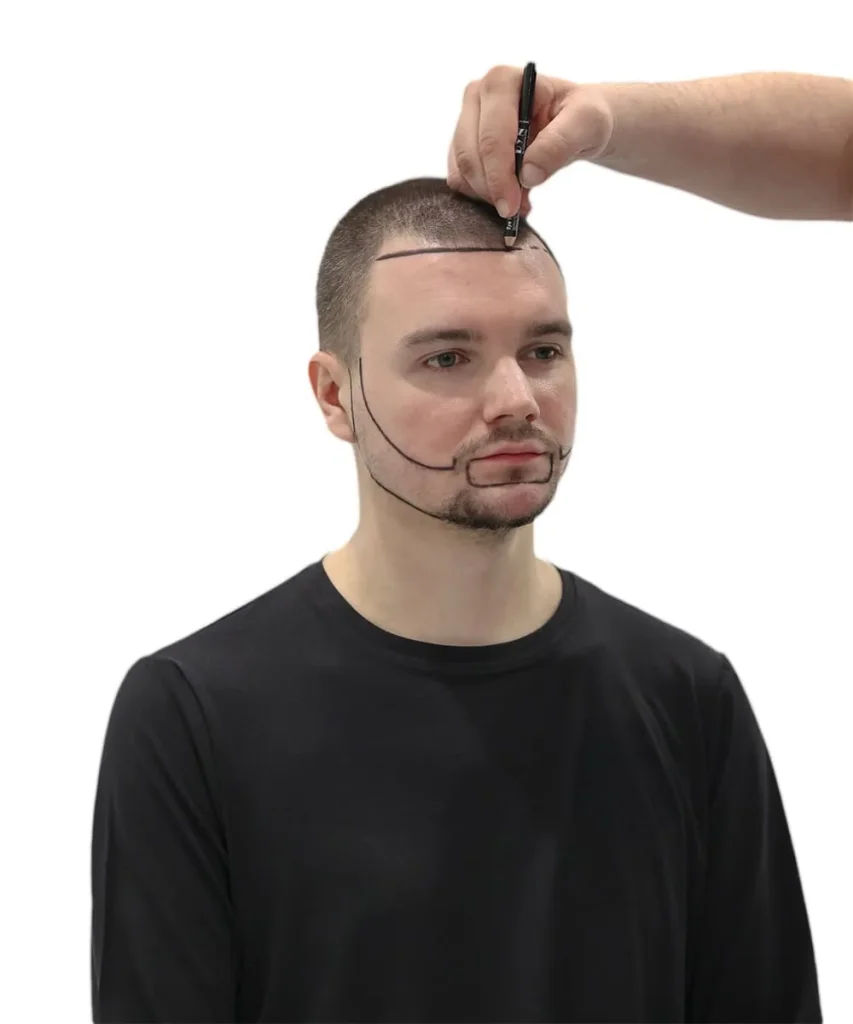
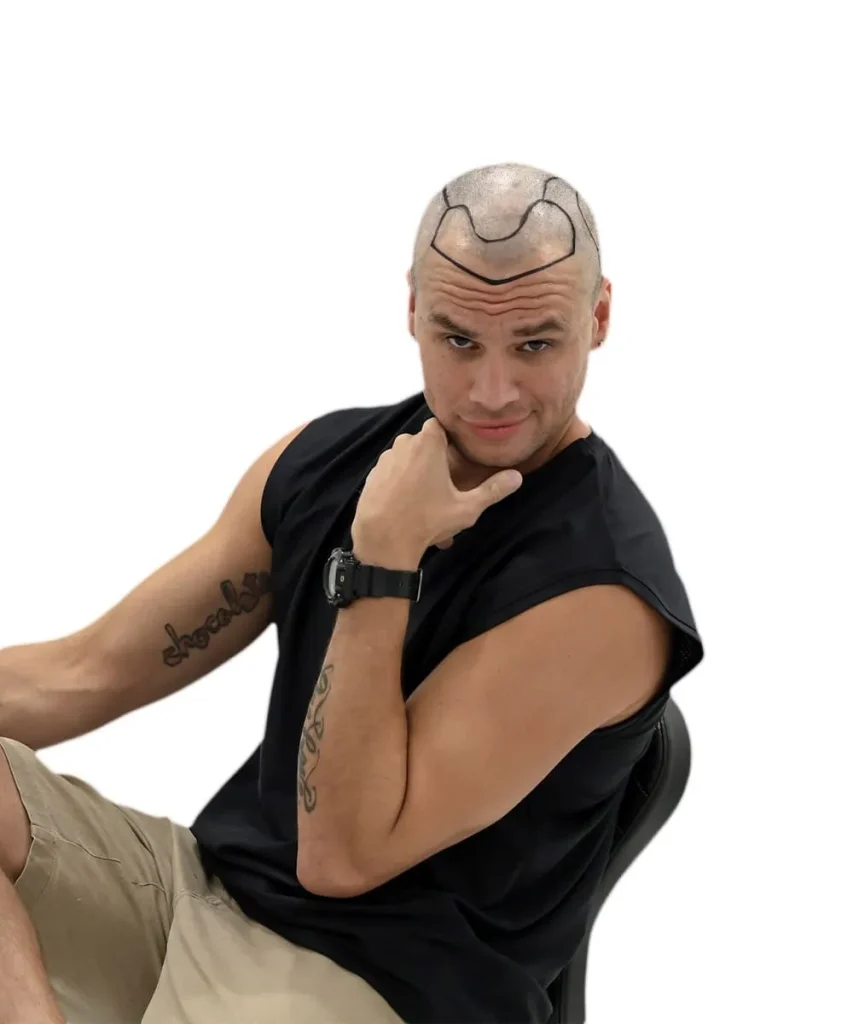
A hair transplant is a surgical procedure in which existing hair follicles are relocated to areas with reduced hair density. In clinical practice, follicles are usually taken from the back or sides of the scalp, as these areas are often more resistant to common hair loss patterns. The harvested follicles are then carefully placed into thinning or balding areas. This procedure does not create new hair follicles, and outcomes vary depending on individual biological factors.

Common Symptoms / When It May Be Needed

People may notice gradual thinning of the scalp, a receding hairline, or a widening part over time. Some individuals experience increased hair shedding during washing or brushing. Hair loss patterns differ between individuals and genders. Symptoms vary from person to person. Some patients seek medical advice when cosmetic concerns begin to affect confidence or daily life.

Causes & Risk Factors

Hair loss is commonly associated with genetic predisposition. Hormonal changes may also influence the process. Increasing age plays a significant role in many cases. Certain medical conditions can contribute to hair thinning. Some medications may affect the hair growth cycle. Lifestyle factors may worsen existing hair loss. Stress may contribute but rarely acts as the sole cause.

hair7

How the Condition is Diagnosed

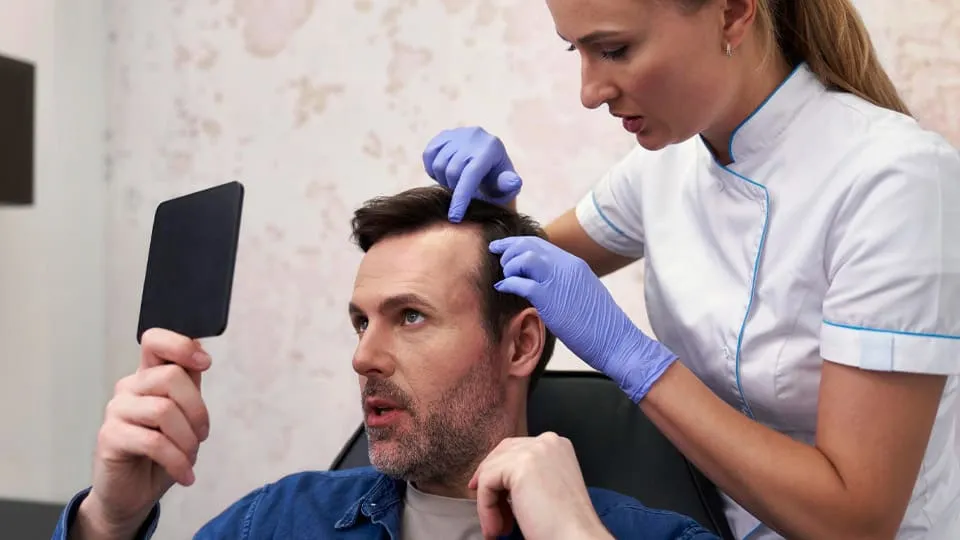
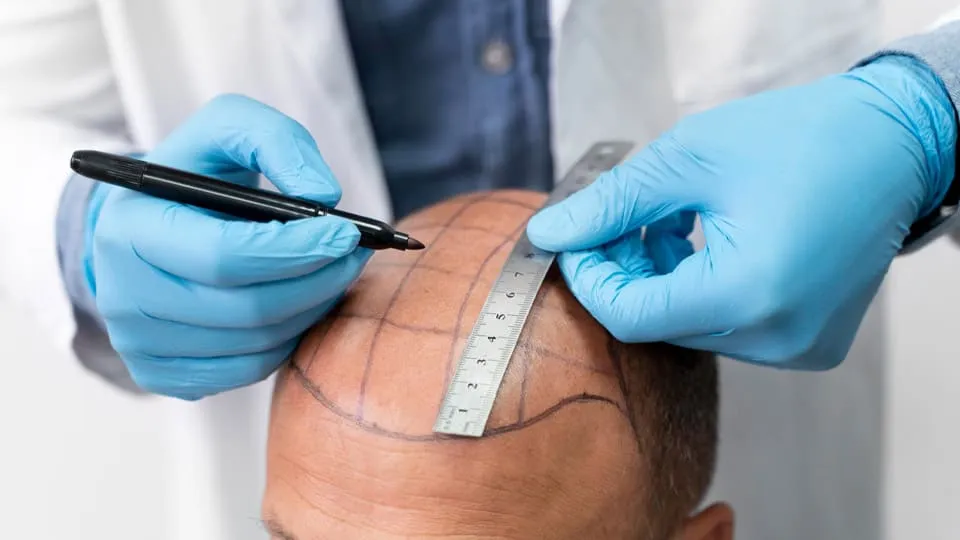
Diagnosis usually begins with a clinical consultation. The clinician reviews the patient’s medical history and family history. Scalp condition and hair density are examined carefully. In some cases, photographs are used to support baseline assessment. Blood tests may be requested to rule out underlying medical causes. A GP or specialist consultation is recommended before treatment decisions.

Treatment Options

Hair transplant is one of the treatment options that may be considered for suitable patients. Non-surgical approaches may also be discussed. These can include topical or oral treatments. Some individuals choose monitoring rather than immediate intervention. Treatment selection depends on the type and progression of hair loss. The clinician explains options in a clear and balanced manner.

hair9

Benefits & Limitations

Hair transplant may help improve hair density for some patients when appropriate. The procedure uses the patient’s own hair follicles, which can support natural-looking outcomes. However, transplanted hair does not prevent future hair loss in untreated areas. Density outcomes vary depending on donor hair quality and individual healing response. Realistic expectations are important.

Potential Risks & Side Effects

As with any surgical procedure, hair transplant involves potential risks. These may include temporary swelling, tenderness, or mild bleeding. Infection is uncommon but possible. Scarring may occur depending on the technique used and individual healing. Your clinician will discuss potential risks in detail before the procedure.


Who is Suitable / Who May Not Be Suitable

Suitability depends on overall health and individual hair characteristics. Adequate donor hair availability is an important factor. Stable hair loss patterns may support more effective planning. Certain medical conditions can limit suitability for surgery. Unrealistic expectations may affect satisfaction with outcomes. Hair transplant is not suitable for everyone, and specialist assessment is essential.

Aftercare & Recovery Expectations

Recovery begins immediately after the procedure. Patients receive detailed aftercare instructions to support healing. Mild redness and scabbing usually reduce within a few days. Return to normal activities occurs gradually. Hair growth develops slowly over several months. Initial shedding of transplanted hair may occur. Follow-up appointments help monitor progress.

When to Seek Medical Advice

Medical advice should be sought if symptoms worsen or concerns arise during recovery. Signs of infection require prompt assessment. Persistent pain, swelling, or bleeding should be reviewed by a clinician. A GP or specialist consultation is recommended whenever there is uncertainty.

Frequently Asked Questions

How long does it take to see results?

Hair growth usually develops gradually over several months. Final outcomes vary depending on the individual.

Natural appearance depends on planning, technique, and individual factors. Your clinician will discuss realistic expectations.

Hair loss may continue in areas that were not treated. Additional treatments may be considered to manage ongoing thinning.

No, not everyone is suitable. Medical history, donor hair availability, and hair loss pattern are assessed.

Some patients may benefit from ongoing treatments to support hair health. This depends on individual circumstances.

Cookie Policy
This website uses statistical cookies. If you continue browsing, you agree to their use. You can learn more about our Cookie Policy and Privacy Policy.
What are these cookies used for: