


A Root Canal Treatment Assessment is a clinical evaluation that examines the inner part of a tooth to determine whether root canal therapy may be needed.
Endodontics
Root Canal Treatment
Common Symptoms / When It May Be Needed
Patients often notice prolonged pain, heat sensitivity or discomfort when chewing. Some experience swelling or tenderness in nearby gums. Others may see darkening of the tooth or persistent sensitivity. Symptoms vary from person to person. In some cases, there may be no symptoms, but X-rays show infection spreading near the root. An assessment is recommended when a tooth feels painful, when previous fillings fail or when a dental abscess develops.
Causes & Risk Factors
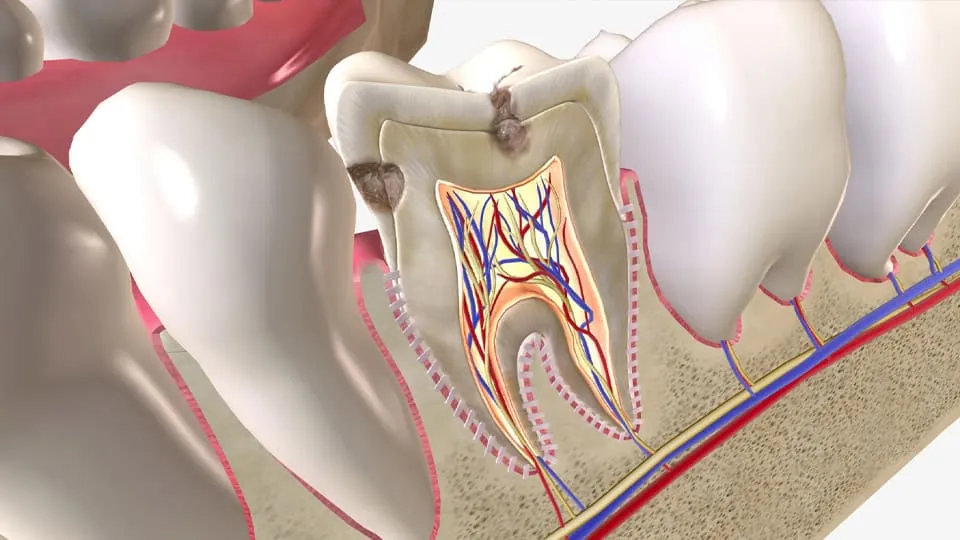
Root canal issues often stem from deep decay, cracks or injury. Large fillings may weaken the tooth over time. Trauma may damage the pulp even without visible cracks. Research suggests that untreated cavities, grinding habits and poor oral hygiene may increase risk. Medical conditions, dry mouth or certain medications may also contribute. Your Dentist considers these factors to determine whether treatment is suitable or whether alternatives may be required.
How the Condition is Diagnosed
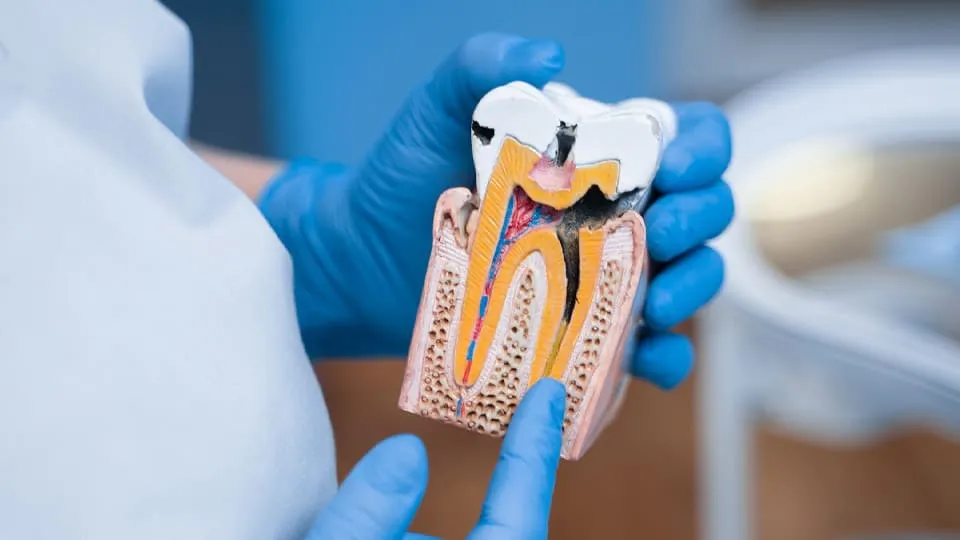
Diagnosis includes a detailed examination of the tooth, gums and surrounding tissues. Dentists may use cold tests, percussion tests and X-rays to understand the extent of infection or inflammation. X-rays help identify root shape, infection spread or bone loss. The aim is to gather enough information to ensure safe and appropriate treatment planning.
Treatment Options
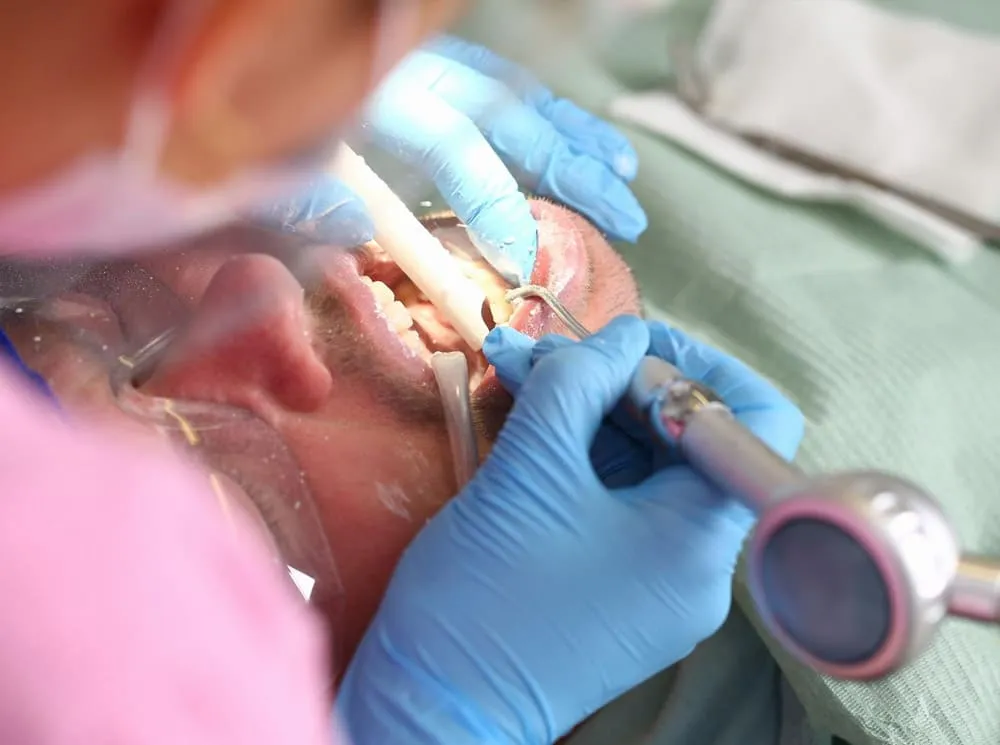
If root canal therapy is suitable, Dentists explain each stage clearly. The procedure may involve cleaning the canal, removing infected tissue and sealing the root. Some cases require multiple visits. After the root is treated, a filling or crown may be recommended to restore strength. If the tooth cannot be saved, extraction may be discussed as an alternative. Antibiotics may be prescribed when needed, but they cannot replace root canal treatment. Pricing may vary. Please contact the clinic for up-to-date information.
Benefits & Limitations
Root canal treatment may help preserve a natural tooth when infection is present. Many patients feel relief when pain improves after treatment. It may also help protect surrounding teeth from shifting. However, root canal therapy has limitations. Teeth may still require crowns for long-term strength. Some cases may need additional treatment later, depending on healing response. No dental procedure can guarantee permanent results. Outcomes vary depending on infection severity, tooth structure and oral hygiene.
Potential Risks & Side Effects
Who is Suitable / Who May Not Be Suitable
Many patients with deep decay, pulp inflammation or dental abscesses may be suitable for root canal therapy. However, teeth with severe fractures, insufficient bone support or advanced structural damage may not be treatable through root canal therapy alone. Dentists may recommend alternatives such as extraction or implants when root canal therapy is not clinically appropriate.
Aftercare & Recovery Expectations
When to Seek Medical Advice
Frequently Asked Questions
Does root canal treatment hurt?
Is one visit enough?
Will the tooth last forever?
Do antibiotics replace root canal treatment?
- This information is intended for general guidance and should not be considered a substitute for professional medical advice. If you have concerns about your symptoms or treatment options, please consult a qualified healthcare professional.