

A Snoring and Sleep Apnea Assessment is a clinical evaluation that investigates breathing patterns, sleep quality and airway function.
Snoring often occurs when tissues in the airway vibrate during sleep. Sleep apnea involves repeated pauses in breathing, which may affect oxygen levels and sleep quality. Clinicians review symptoms, medical history and lifestyle habits. They may use sleep studies, airflow tests or imaging when needed. The aim is to guide patients rather than promise specific outcomes, as suitability for treatment varies.
Other Dental Treatments
Snoring and Sleep Apnea
Common Symptoms / When It May Be Needed
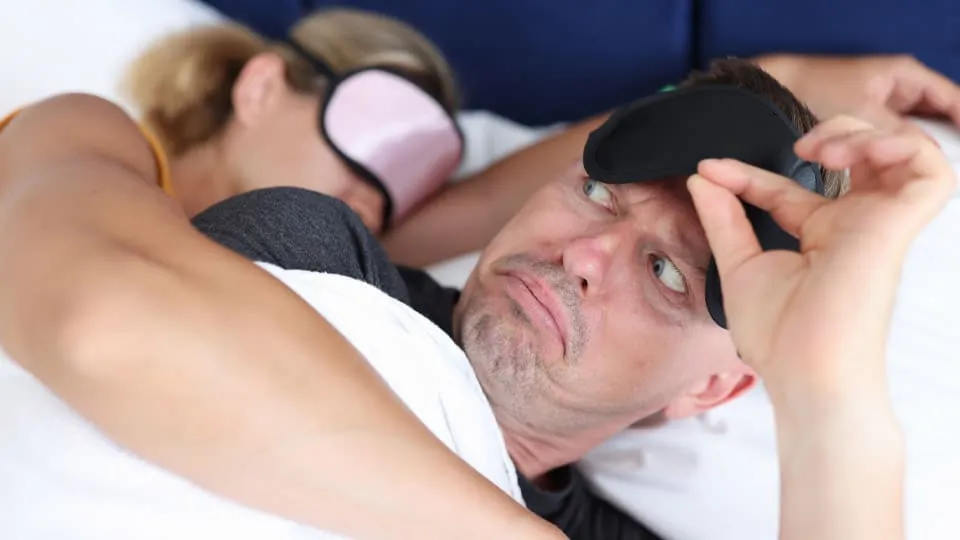
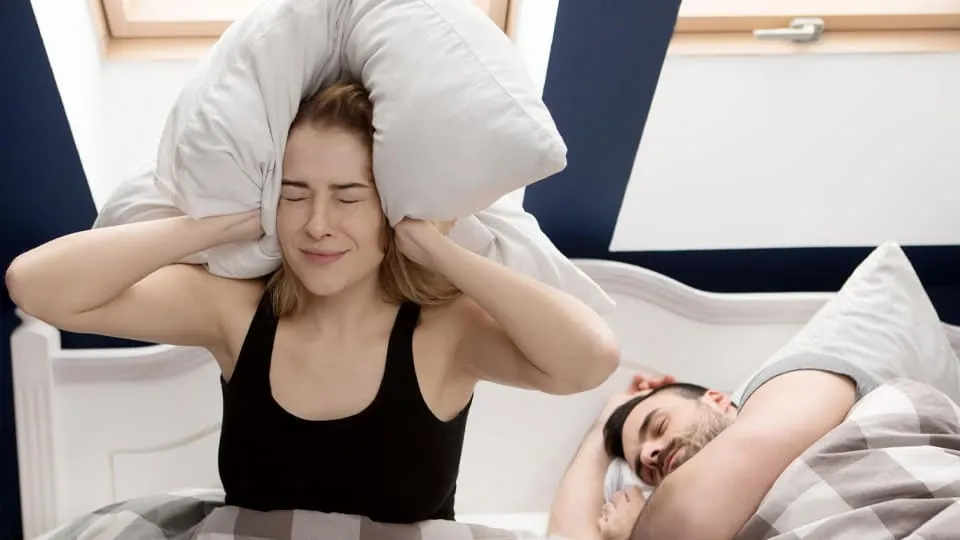
Patients may seek assessment when snoring becomes frequent or disruptive. Some experience daytime tiredness or headaches. Others notice sudden awakenings, morning dryness or reduced concentration. Symptoms vary from person to person. Sleep apnea may include loud snoring, observed breathing pauses, choking sensations or difficulty staying asleep. Some individuals feel sleepy during the day despite spending enough time in bed. The assessment may be needed after weight changes, nasal issues or signs of airway obstruction.
Causes & Risk Factors
Snoring and sleep apnea may develop due to many factors. Being overweight, smoking or consuming alcohol near bedtime may contribute to airway narrowing. Nasal congestion, allergies or anatomical features may increase risk. Research suggests that tongue position, jaw shape and muscle tone influence airway collapse during sleep. Ageing and family history may also play a role. Your clinician will consider these risk factors to determine suitable approaches for management.
How the Condition is Diagnosed
Diagnosis begins with a detailed conversation about sleep habits, symptoms and medical background. Clinicians examine the airway, nose and throat to identify structural concerns. They may recommend a home sleep test or an overnight sleep study at a clinic. These tests measure breathing pauses, oxygen levels, heart rate and sleep stages. Results help determine whether snoring is harmless or related to sleep apnea. A GP consultation is recommended if medical conditions affect breathing or sleep quality.
Treatment Options
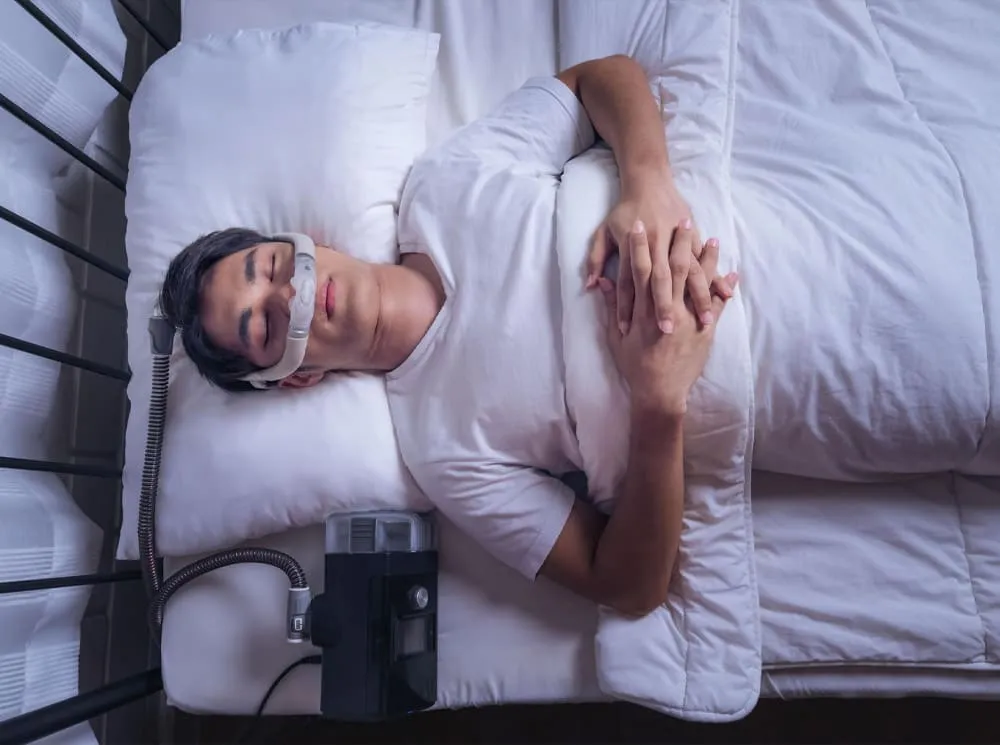
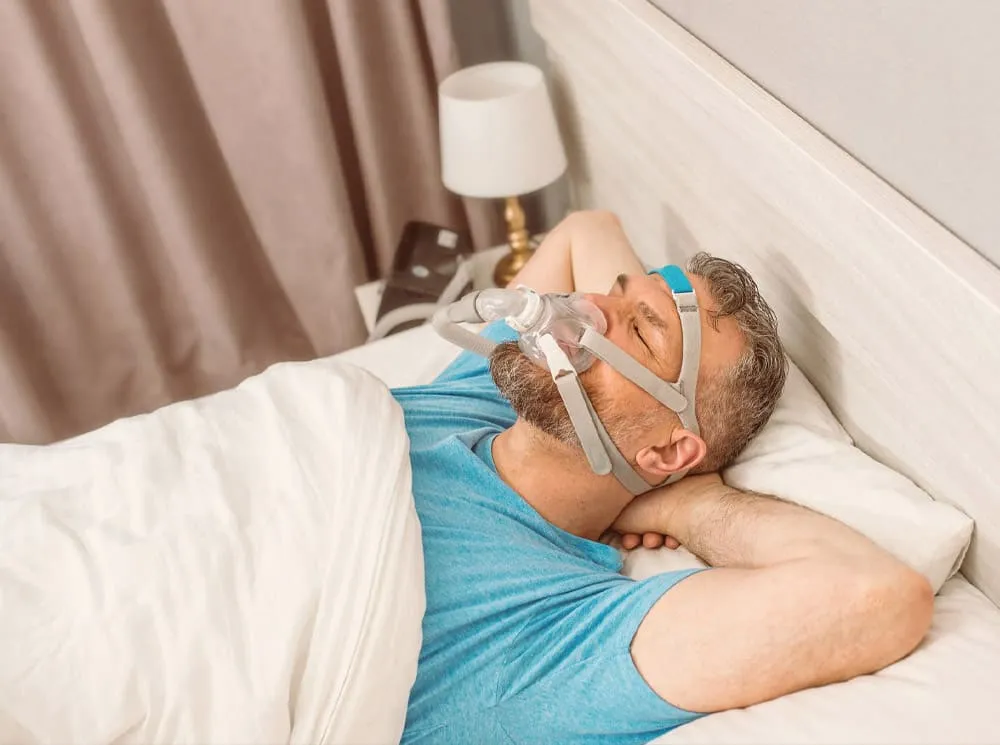
Treatment depends on the cause and severity of symptoms. Lifestyle changes may include weight management, sleep position adjustments or reducing alcohol intake. Nasal treatments may help when congestion contributes to symptoms. For mild cases, oral appliances may help improve airflow by adjusting jaw position. For moderate to severe sleep apnea, a CPAP device may be recommended, as it offers continuous positive airway pressure during sleep. Some patients require ENT evaluation for nasal or airway concerns. Surgical options are available in selected cases but depend on individual assessment.
Benefits & Limitations
A snoring and sleep apnea assessment may help patients understand their condition and explore appropriate management options. Improved sleep quality may support daytime wellbeing when suitable treatment is used. However, no treatment offers guaranteed results for all individuals. Some patients require ongoing adjustments or combination approaches. Lifestyle factors, airway anatomy and medical conditions influence outcomes. The assessment aims to set realistic expectations and inform safe choices.
Potential Risks & Side Effects
Who is Suitable / Who May Not Be Suitable
Many adults who snore or suspect sleep apnea may be suitable for assessment. Individuals with daytime sleepiness, observed breathing pauses or loud snoring often benefit from evaluation. However, some patients require medical stabilisation before specific treatments can begin. Individuals with severe nasal obstruction, untreated respiratory illness or certain medical conditions may need further investigation. A GP consultation is recommended when symptoms suggest underlying health issues.
Aftercare & Recovery Expectations
When to Seek Medical Advice
Patients should seek medical advice if snoring worsens, if breathing pauses increase or if daytime sleepiness becomes significant. Urgent attention is needed for severe choking episodes or rapid declines in sleep quality. Those experiencing chest discomfort, irregular breathing or persistent fatigue should consult a GP or specialist promptly.
Frequently Asked Questions
Is snoring always linked to sleep apnea?
Can sleep apnea improve without treatment?
Does losing weight help?
- This information is intended for general guidance and should not be considered a substitute for professional medical advice. If you have concerns about your symptoms or treatment options, please consult a qualified healthcare professional.