


A Dental Filling Assessment is a clinical examination that helps identify whether a tooth requires a filling.
Fillings are used to restore teeth that have been damaged by decay or minor fractures. The assessment focuses on checking for cavities, enamel wear and signs of infection. Dentists also review oral hygiene habits, lifestyle factors and previous dental treatments. The purpose of the assessment is to provide clear guidance rather than promise specific results, as treatment suitability depends on the individual.
Cosmetic Dentistry
Dental Filing
Common Symptoms / When It May Be Needed
Patients may seek a dental filling assessment when they notice tooth sensitivity, especially to cold or sweet foods. Some experience occasional discomfort when biting or chewing. Others notice visible dark spots, cracks or rough surfaces on their teeth. Symptoms vary from person to person, and some people have no symptoms at all. An assessment is recommended when routine check-ups reveal early decay or when a previous filling appears damaged. Early evaluation may help improve tooth health.
Causes & Risk Factors
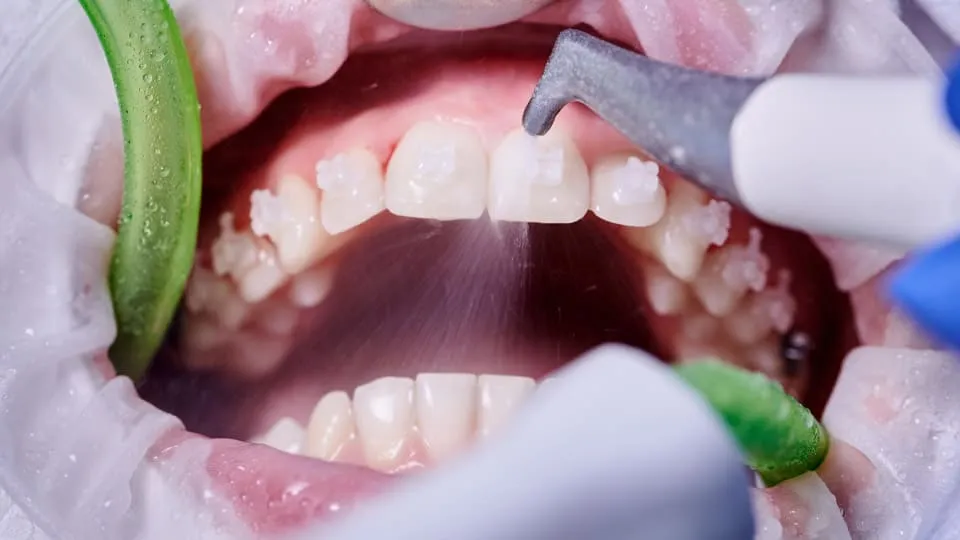
Dental decay develops when bacteria interact with sugars and produce acids that weaken tooth enamel. Poor brushing habits, frequent snacking or consuming sugary drinks may increase risk. Grinding or clenching may also contribute to tooth fractures. Research suggests that dry mouth, medical conditions or certain medications may affect decay risk for some individuals. Genetics, diet and oral hygiene habits all play a role. Your Dentist may consider these factors to determine whether a filling is suitable or if alternative treatment may be needed.
How the Condition is Diagnosed
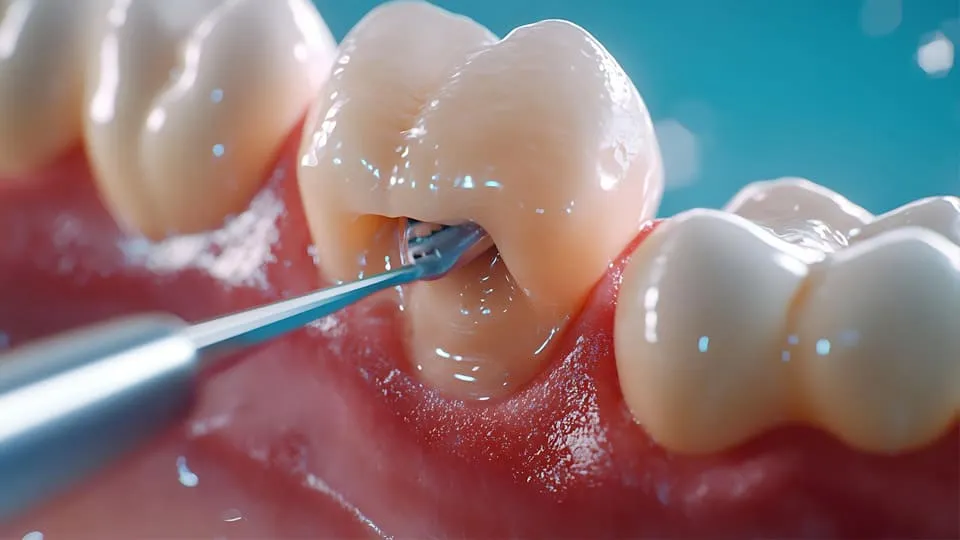
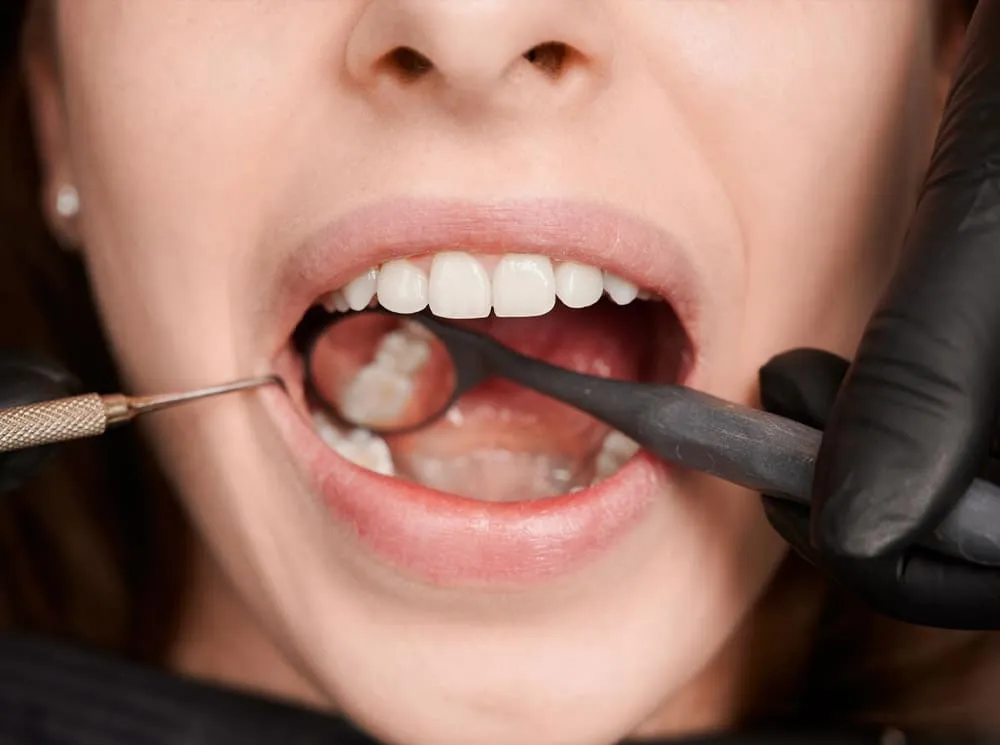
Diagnosis begins with a detailed check of the affected tooth and surrounding structures. Dentist may use dental instruments to identify softened enamel or areas of concern. X-rays may be recommended to detect deeper decay or cracks not visible during examination. The clinician may also check the bite to understand how the teeth meet. The goal is to gather enough information to guide safe and appropriate treatment.
Treatment Options
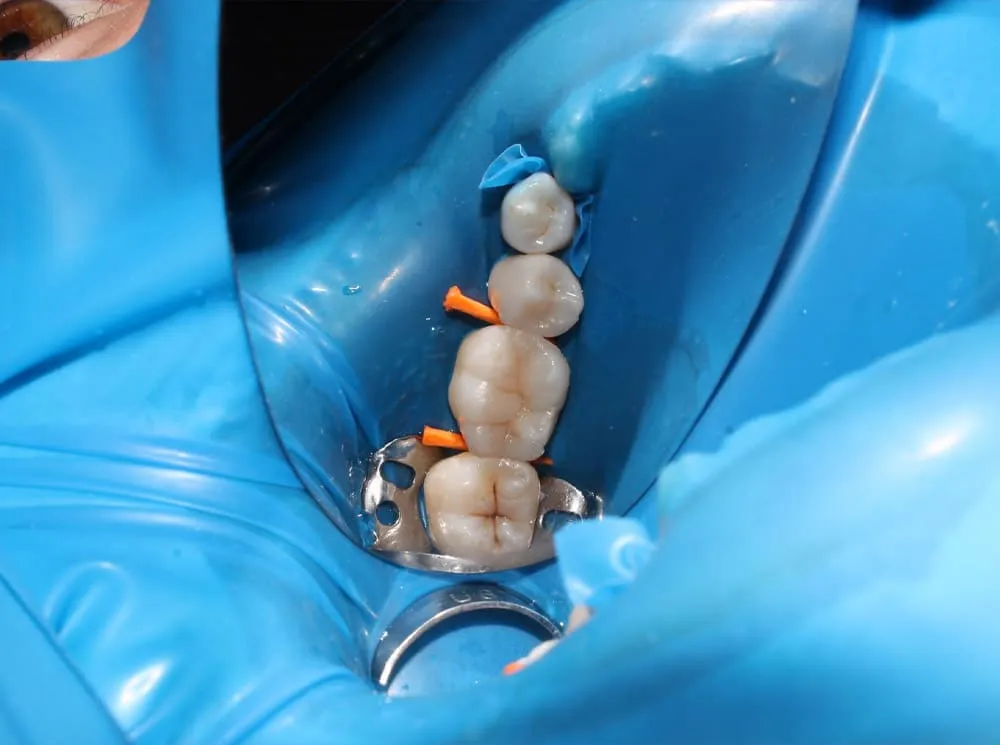
If a dental filling is suitable, the Dentist will explain the available materials. Options may include composite resin, or glass ionomer, depending on the individual. Some patients may need temporary fillings if deeper issues are present. Others may require root canal treatment when decay has reached the nerve. Your Dentist will explain each option, including benefits and limitations. Treatment plans depend on the tooth condition, symptoms and long-term oral health. Pricing may vary. Please contact the clinic for up-to-date information.
Benefits & Limitations
A dental filling may help restore tooth structure and protect against further decay. It may also help improve comfort and allow normal chewing when suitable. Many patients find reassurance in addressing early decay before it worsens. However, fillings have limitations. They do not stop decay from returning if oral hygiene is poor. Some fillings may need repair or replacement over time. The result depends on tooth condition, habits and long-term care. No dental treatment can guarantee permanent outcomes.
Potential Risks & Side Effects
Dental fillings carry some risks. Mild sensitivity may occur after treatment, especially when biting or consuming cold items. This usually improves gradually. Some fillings may wear down, chip or leak, requiring future adjustments. Composite materials may stain over time. If decay is deep, there is a small risk that the tooth may require further treatment later, such as a root canal. Your Dentist will explain all risks clearly before treatment begins. There are no zero-risk dental procedures.
Who is Suitable / Who May Not Be Suitable
Most adults and children with early or moderate tooth decay may be suitable for dental fillings. Patients with minor fractures or worn enamel may also benefit. However, some teeth may be too damaged for a filling alone. In such cases, crowns, inlays or other restorative options may be more appropriate. Patients with active infections require different treatment before a filling can be placed.
Aftercare & Recovery Expectations
After the assessment or filling procedure, most patients return to their routine immediately. Sensitivity may continue for a short period. Dentist may recommend good brushing habits, reduced sugar intake and regular dental check-ups. Patients should avoid chewing hard items on the treated tooth for a short time. Long-term success depends on oral hygiene, diet and routine care. Patients should contact the clinic if pain worsens, if the filling feels high or if cracks develop.
When to Seek Medical Advice
Patients should seek dental advice if they experience severe pain, swelling, persistent sensitivity or visible damage to the filling. A loose or broken filling requires prompt attention. Minor concerns may be discussed during follow-up visits.
Frequently Asked Questions
Do dental fillings hurt?
Some patients feel mild discomfort, but Dentists use techniques that help reduce sensitivity.
How long does a filling last?
It varies depending on the material, tooth location and oral habits.
Will the filling look natural?
Composite fillings may match natural tooth colour, depending on the case.
Can decay return under a filling?
Yes. Good oral hygiene and regular check-ups are important to reduce this risk.
- This information is intended for general guidance and should not be considered a substitute for professional medical advice. If you have concerns about your symptoms or treatment options, please consult a qualified healthcare professional.