


A Porcelain Laminate Veneers Assessment is a clinical evaluation that reviews the teeth, gums and bite to determine whether porcelain laminate veneers may be suitable.
These veneers are thin ceramic restorations that fit over the front surfaces of natural teeth. They may help refine colour, shape or proportion when used in appropriate cases. The assessment includes a discussion about dental history, oral health and cosmetic expectations. The aim is to guide patients without promising specific results, as suitability depends on the individual.
Cosmetic Dentistry
Porcelain Laminate Veneers
Common Symptoms / When It May Be Needed
Patients often consider porcelain laminate veneers when they feel concerned about discolouration, irregular shapes, minor misalignment or gaps. Some individuals notice changes due to ageing, wear or past dental treatments. Symptoms vary from person to person, and some concerns are purely cosmetic. An assessment may also be helpful for patients who experience enamel wear, uneven edges or old restorations that no longer meet their needs. It can also support individuals exploring long-term cosmetic improvements.
Causes & Risk Factors
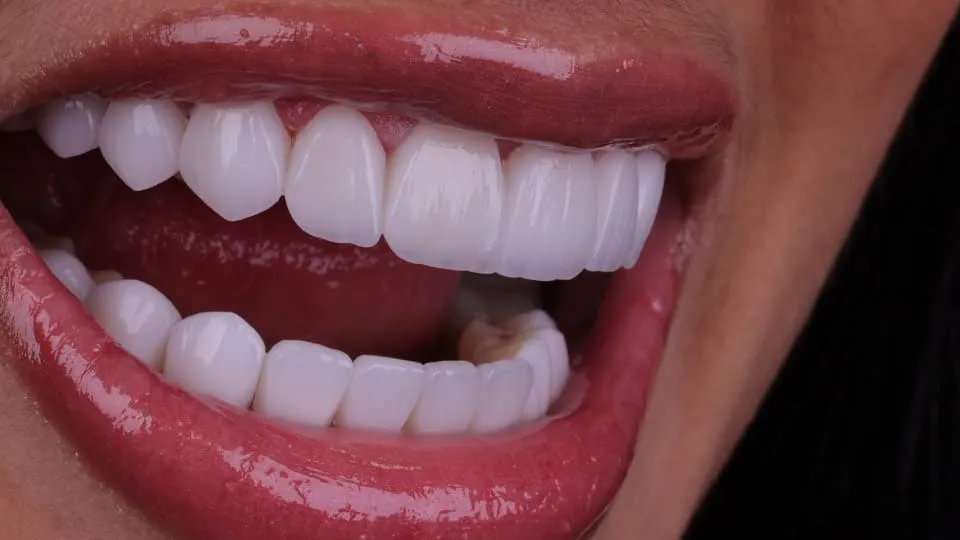
Cosmetic concerns may arise due to lifestyle habits, natural wear, trauma or genetic factors. Smoking, staining foods and certain medications may affect tooth colour. Grinding or clenching may contribute to enamel wear. Gum recession may change how teeth appear. Research suggests that enamel thickness and gum stability play key roles in veneer success. Your clinician evaluates oral health, hygiene habits and structural factors to determine safe and appropriate choices.
How the Condition is Diagnosed
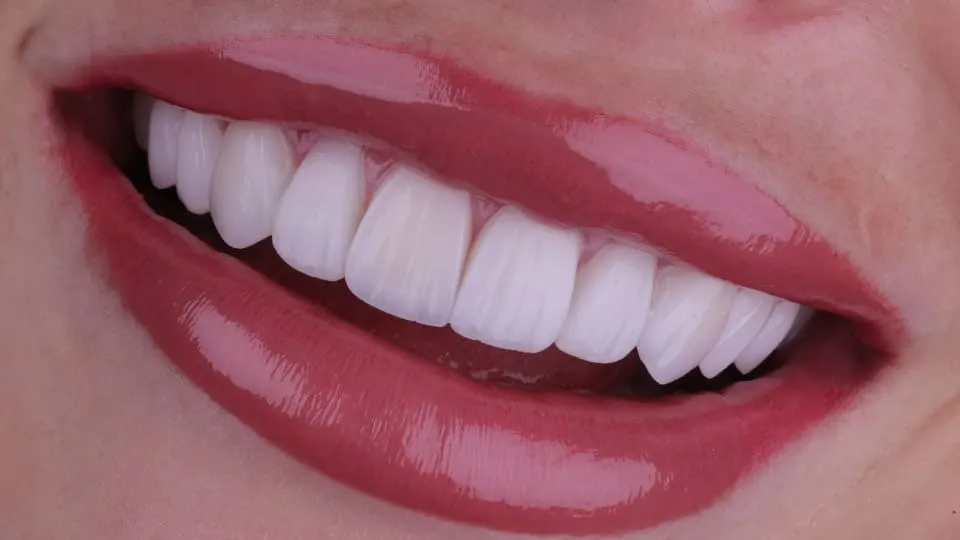
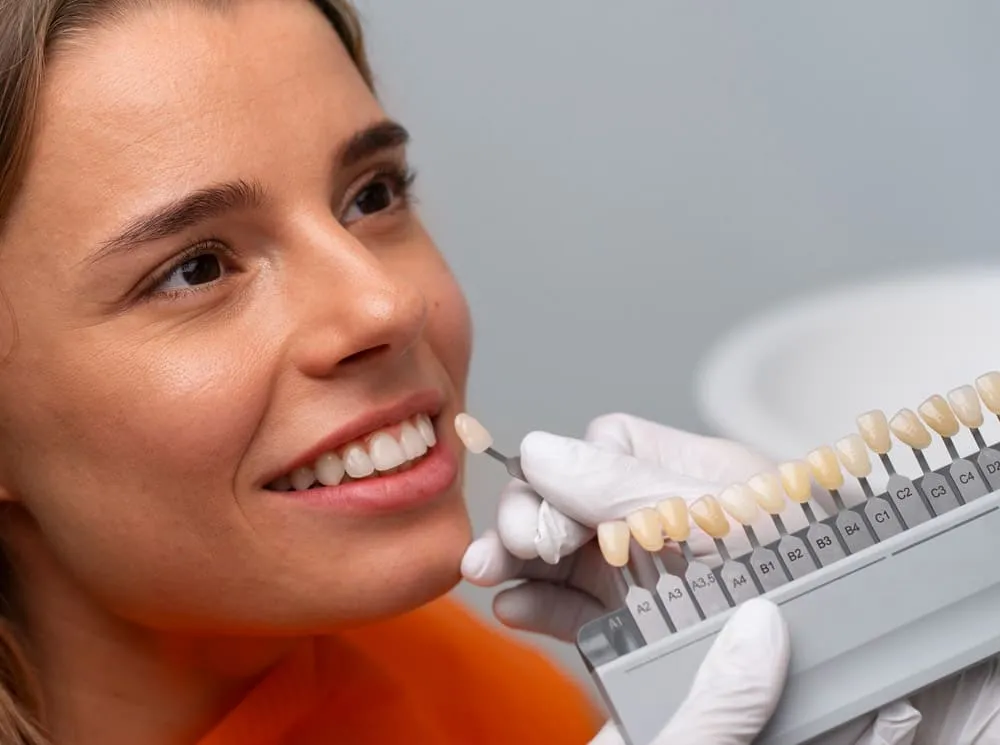
Diagnosis begins with a detailed discussion about cosmetic goals, dental history and current concerns. Clinicians examine the teeth and gums to identify any underlying issues. They may use digital scans, X-rays or photographs to assess tooth structure, root support and symmetry. These tools help determine whether porcelain laminate veneers are suitable. If issues such as decay or gum inflammation are present, they must be treated before cosmetic planning begins.
Treatment Options
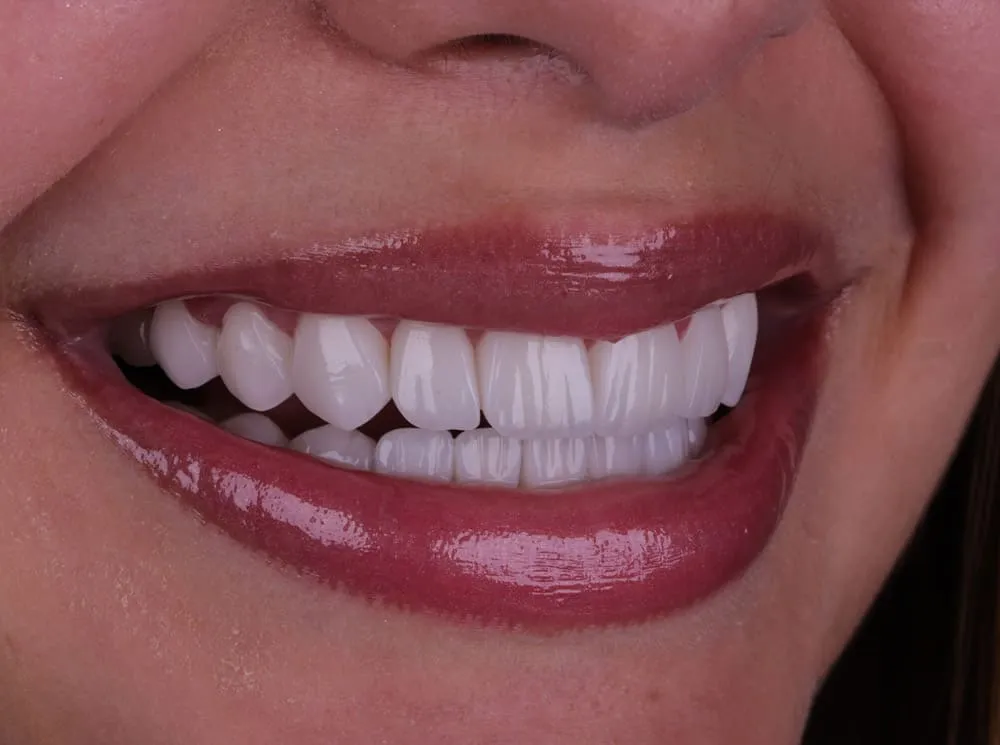
If porcelain laminate veneers appear appropriate, Dentists outline the potential treatment steps. These may include tooth preparation, impression taking, temporary veneers and final placement. Some patients may benefit from whitening or orthodontic adjustments before veneer treatment. Others may choose alternative cosmetic options such as composite bonding or full-coverage restorations. Your Dentist will discuss benefits and limitations transparently. Each treatment plan depends on your oral health, expectations and long-term goals. Pricing may vary. Please contact the clinic for up-to-date information.
Benefits & Limitations
Porcelain laminate veneers may help refine tooth aesthetics when used appropriately. They offer thin, customised ceramic restorations that may help improve colour and shape. Many patients appreciate the natural appearance these restorations can provide when clinically suitable. However, veneers cannot guarantee perfect or permanent results. They rely on natural tooth structure and require ongoing maintenance. Results vary depending on gum health, oral hygiene and individual habits. Veneers may not address functional issues or severe misalignment.
Potential Risks & Side Effects
Cosmetic veneer procedures carry potential risks. Tooth preparation may cause temporary sensitivity. Gum tissues may feel irritated during the early stages. Veneers may chip or loosen over time, especially in patients who grind their teeth. Bite adjustments may be required after placement. Your Dentist will explain all risks before any procedure. There are no zero-risk dental treatments, and patients should ask questions whenever they need clarification.
Who is Suitable / Who May Not Be Suitable
Many adults with stable oral health may be suitable for porcelain laminate veneers. However, patients with active gum disease, untreated decay or severe enamel loss may not be candidates. Individuals with heavy grinding habits, unrealistic expectations or limited enamel may require alternative solutions. Dentists may advise against veneers when they are not clinically safe or appropriate.
Aftercare & Recovery Expectations
When to Seek Medical Advice
Frequently Asked Questions
Are porcelain laminate veneers permanent?
No. They may last many years but require maintenance and may need replacement.
Do porcelain laminate veneers work for everyone?
Not always. Suitability depends on enamel condition, gum health and individual expectations.
Do veneers damage natural teeth?
They require preparation, but the extent varies. Your Dentist will explain what is needed.
Can I whiten my teeth after veneers?
- This information is intended for general guidance and should not be considered a substitute for professional medical advice. If you have concerns about your symptoms or treatment options, please consult a qualified healthcare professional.