
MediWell Clinic in London

onlinebook
BOOK ONLINE
Search treatments & services
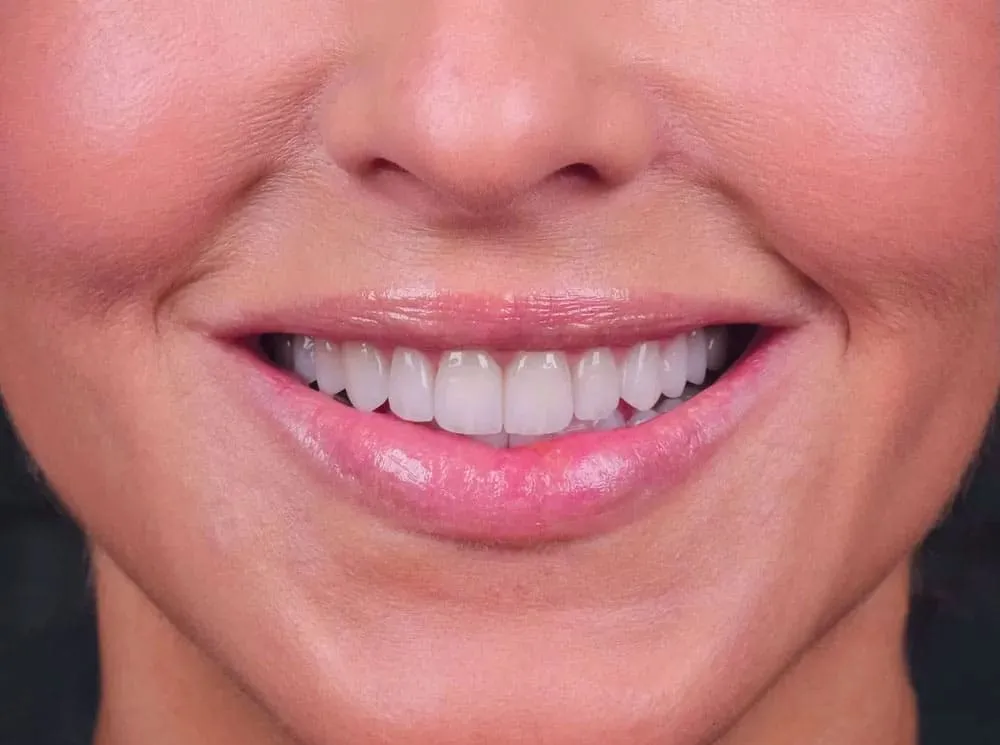
A Smile Design Assessment helps patients understand how their teeth, gums and facial features work together to create a balanced smile.
Many people seek guidance when they feel unsure about the appearance of their teeth, and an assessment may help clarify suitable options. This information explains what a smile design assessment involves and what patients may expect during their visit.

Cosmetic Dentistry

Smile Design

What is a Smile Design Assessment?

A Smile Design Assessment is a clinical evaluation that explores the aesthetic and functional aspects of a patient’s smile. It focuses on tooth colour, alignment, gum levels and facial symmetry. Clinicians review dental health, discuss patient concerns and explain possible approaches that may help improve appearance. The assessment aims to create an informed plan. Depending on the individual, photographs, digital scans or X-rays may be used to understand the smile structure.

Common Symptoms / When It May Be Needed
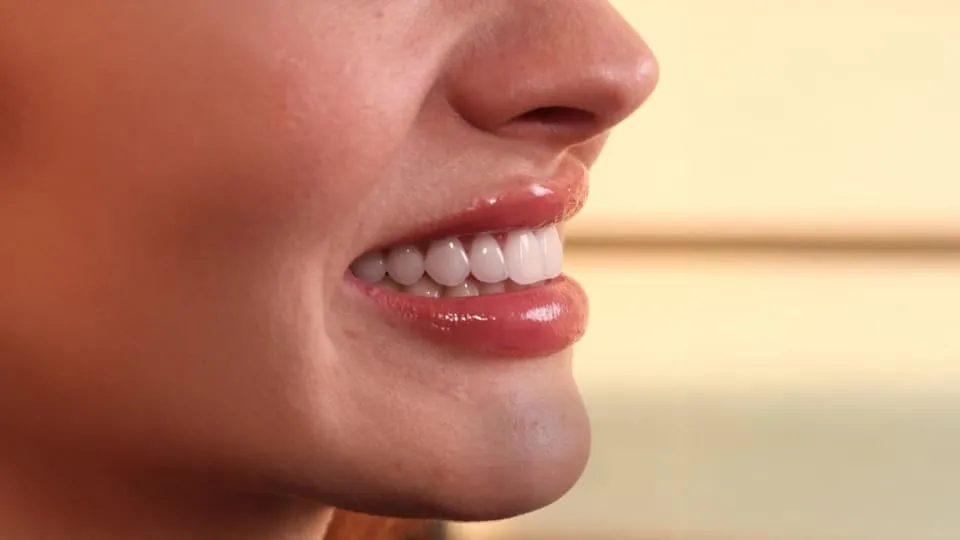
Patients often seek smile design assessments when they feel unhappy with the colour, shape or alignment of their teeth. Some feel self-conscious when smiling or notice worn edges, gaps or uneven gum levels. An assessment may also be useful after previous dental work, orthodontic treatment or natural tooth wear. It supports patients who want a clear understanding of cosmetic and restorative options.
Causes-Risk-Factors

Causes & Risk Factors

Smile concerns may develop due to genetics, ageing, trauma or long-term lifestyle factors. Tooth wear, discolouration, gum recession or crowding may also influence appearance. Grinding, smoking or certain dietary habits may affect the colour and shape of teeth for some individuals. Structural concerns may develop gradually. Dentists consider personal risk factors to understand the underlying cause before suggesting any approach.
dental-smile-design.webp

How the Condition is Diagnosed

Diagnosis includes a detailed discussion about aesthetic goals, dental history and current oral health. Dentists examine the teeth, gums and bite. They may take clinical photographs or digital scans to analyse symmetry and proportion. X-rays may be needed to assess roots and bone support. The aim is to identify safe and appropriate options that match the patient’s expectations.

Treatment Options

Treatment options vary and depend on individual needs. Some patients may benefit from whitening treatments to improve tooth shade. Others may consider composite bonding, veneers or orthodontic approaches. Gum contouring may help refine gum levels when clinically suitable. Dentists discuss each option, including its benefits and limitations. Cosmetic procedures should only be considered when oral health is stable. Pricing may vary. Please contact the clinic for up-to-date information.
Treatment-Options

Benefits & Limitations

A smile design assessment may help patients understand possible cosmetic options and support a structured plan. However, cosmetic outcomes vary depending on dental health, gum condition and oral habits. No treatment can guarantee specific results or long-term permanence. Some procedures require ongoing maintenance, and results differ between individuals.

Potential Risks & Side Effects

Cosmetic and restorative procedures carry potential risks. Whitening may cause temporary sensitivity. Bonding or veneers may require adjustments over time. Gum contouring may lead to mild swelling during healing. If orthodontic options are considered, discomfort may occur during initial stages. Clinicians discuss all risks before any treatment begins.

Who is Suitable / Who May Not Be Suitable

Many adults seeking cosmetic improvement may be suitable for a smile design assessment. However, individuals with untreated decay, gum disease or active infections may require dental treatment before aesthetic planning. Patients with unrealistic expectations may need further discussion about outcomes. Dentists may advise against certain cosmetic options if they are not clinically appropriate.

Aftercare & Recovery Expectations

Most patients can return to their routine immediately after the assessment. If diagnostic scans or photographs are taken, no recovery time is needed. Aftercare depends on the chosen treatment. Whitening may require sensitivity management. Bonding or veneers may require careful maintenance. Orthodontic options may need regular follow-up. Dentists provide aftercare instructions and may schedule review appointments.

When to Seek Medical Advice

Patients should seek advice if they experience ongoing pain, swelling, worsening sensitivity or signs of gum infection. They should also contact the clinic if cosmetic treatments feel unstable or uncomfortable. Mild concerns can be discussed during routine follow-ups

Frequently Asked Questions

Do I need healthy teeth before smile design?

Yes. Oral health must be stable before cosmetic procedures.

Not always. Suitability depends on enamel, gum health and individual needs.

No. Cosmetic treatments require maintenance and may change over time.

No. Regular dental check-ups remain important for long-term oral health.

Cookie Policy
This website uses statistical cookies. If you continue browsing, you agree to their use. You can learn more about our Cookie Policy and Privacy Policy.
What are these cookies used for: